Exploring the Advantages of Thermoset Materials in Modern Injection Molding
Overview of Thermoset Materials
What are Thermoset Materials?
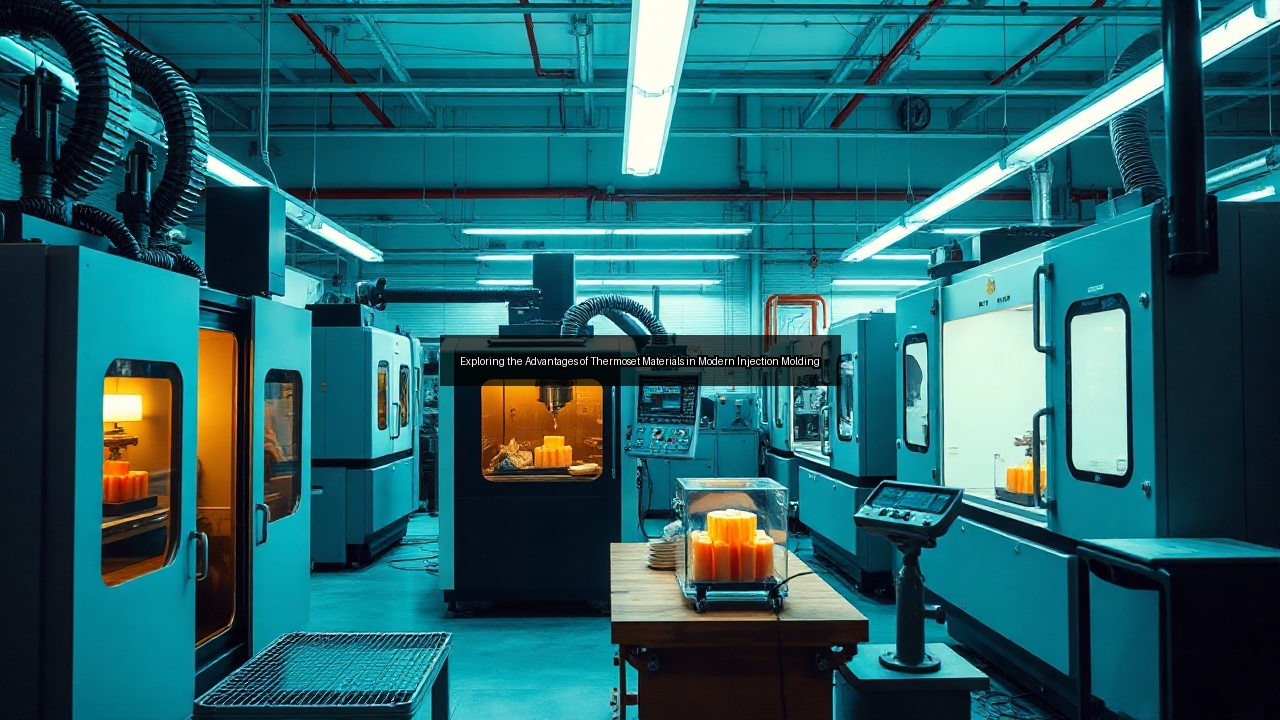
Thermoset materials form permanent structures once cured through heat or chemical reactions during thermoset injection molding. Manufacturers rely on these polymers for their irreversible cross-linking that prevents remelting. This property supports demanding applications where repeated exposure to stress occurs. Engineers select thermoset polymers for electrical housings and automotive parts because they maintain shape under load. The process begins with resin preparation followed by injection into heated molds that trigger curing. Liquid silicone rubber often pairs with thermosets in overmolding to create flexible seals over rigid bases. Unlike materials that soften with reheating, thermosets deliver consistent performance across temperature cycles. Companies use CNC machine finishing and lathe operations to achieve precise dimensions on cured parts. These characteristics make thermoset materials a staple in plastic injection molding operations seeking reliability.
Comparison with Thermoplastics
Thermoset materials differ sharply from thermoplastics during injection molding because they cure permanently instead of softening repeatedly. Thermoplastic injection molding allows remelting and reshaping, which suits high-volume runs but limits heat performance. In contrast, thermoset injection molding produces components that resist deformation when temperatures rise. Compression molding serves as an alternative for larger thermoset parts while injection methods excel at intricate geometries. Plastic injection molded thermoset items often replace metal in assemblies where weight reduction matters. Overmolding techniques combine thermosets with other substrates to add grip or insulation without secondary bonding steps. Thermoplastics may warp under chemicals or prolonged heat, yet thermoset polymers hold stability. Production teams evaluate both material types based on end-use requirements before committing to mold designs.
Key Properties of Thermoset Polymers
Thermoset polymers exhibit high mechanical strength and excellent electrical insulation after the molding process completes. Their molecular structure withstands continuous operation above 200 degrees Celsius without softening. Chemical resistance protects parts from fuels, solvents, and industrial fluids that degrade other plastics. Dimensional stability remains tight even after thermal cycling because cross-links lock the shape. Manufacturers incorporate fillers to boost impact resistance or thermal conductivity in thermoset injection molding projects. These polymers also resist creep under sustained loads better than many thermoplastics. Surface finishes achieved directly from the mold reduce the need for additional machining on lathe or drill equipment. Such properties position thermoset materials as preferred choices for safety-critical components across multiple sectors.
The Injection Molding Process for Thermosets
Understanding the Injection Molding Technique
Injection molding for thermosets involves feeding resin into a heated barrel where it reaches a low-viscosity state before entering the mold cavity. Pressure forces the material through runners and gates while mold temperature initiates the curing reaction. Cycle times depend on part thickness and resin formulation, often ranging from 30 seconds to several minutes. Advanced controls monitor cavity pressure and temperature to ensure complete cross-linking occurs uniformly. Plastic injection molding equipment adapted for thermosets requires wear-resistant components because cured material can abrade barrels and screws. Operators purge machines thoroughly between runs to prevent contamination that affects part quality. The technique supports insert molding of metal components directly into the polymer matrix for hybrid assemblies. Consistent process parameters yield high repeatability across production batches.
Differences Between Thermoset and Thermoplastic Injection Molding
Thermoset injection molding demands higher mold temperatures than thermoplastic injection molding to start and complete the curing reaction inside the cavity. Thermoplastics cool and solidify rapidly, allowing faster cycles, whereas thermosets require dwell time for chemical bonding. Mold surfaces for thermosets often receive special coatings to ease release of the rigid cured part. Thermoplastic injection moulding equipment can process multiple colors and regrind material easily, but thermoset runs generate less scrap because cured runners cannot be reused. Overmolding thermosets onto preformed substrates creates strong mechanical interlocks without adhesives. Injection speeds stay lower for thermosets to avoid premature curing in the nozzle. These process distinctions guide equipment selection and production planning when engineers choose between material families.
Role of Molds in Thermoset Injection
Molds for thermoset injection molding must endure elevated temperatures and corrosive byproducts released during curing. Tool steel with high hardness and corrosion resistance forms the standard choice for cavities and cores. Proper venting prevents trapped gases that cause burn marks or incomplete fills. Designers incorporate heating channels to maintain uniform mold temperature across large surfaces. Insert molding operations place metal or ceramic pieces into the mold before injection begins, creating integrated assemblies. Ejector systems require careful placement to avoid damaging brittle cured parts during removal. Regular maintenance with CNC machine polishing keeps mold surfaces smooth for consistent part appearance. Quality molds directly influence cycle efficiency and final component performance in thermoset solutions.
Advantages of Thermoset Materials in Injection Molding
Enhanced Durability and Heat Resistance
Thermoset materials deliver superior durability in injection molding applications exposed to continuous high temperatures and mechanical stress. Cross-linked structures prevent softening or melting even when parts operate near engine compartments or industrial ovens. Heat resistance exceeds that of most thermoplastics, allowing direct replacement of metal components in weight-sensitive designs. Impact modifiers added during compounding further improve toughness without sacrificing thermal performance. Parts produced through thermoset injection molding retain strength after thousands of thermal cycles. Surface hardness resists abrasion from moving contacts or cleaning processes. Automotive and aerospace manufacturers specify these materials for brackets, housings, and insulators that must function reliably. Durability translates into longer service life and fewer field failures across demanding environments.
Chemical Resistance and Stability
Chemical resistance stands out as a primary benefit of thermoset polymers in injection molding environments containing aggressive fluids. The cured matrix repels oils, acids, and solvents that swell or dissolve thermoplastics over time. Electrical connectors molded from thermosets maintain insulation integrity even after prolonged contact with hydraulic fluids. Dimensional stability prevents warpage that could compromise seals or mating surfaces. Manufacturers test parts against specific chemicals before approving thermoset injection molding for production. Stability under load and temperature combined with chemical inertness supports use in medical devices and laboratory equipment. Overmolding techniques add protective layers that further shield internal components from exposure. These attributes reduce maintenance intervals and extend equipment uptime in harsh operating conditions.
Cost-Effectiveness in Production
Cost-effectiveness emerges in thermoset injection molding through reduced material waste and elimination of secondary machining operations. High repeatability from quality molds lowers scrap rates compared with compression molding alternatives. Direct molding of complex features removes the need for drilling or lathe work on finished parts. Although initial mold investment runs higher than for some thermoplastics, longer part life offsets tooling costs over production volumes. Insert molding combines multiple components in one shot, cutting assembly labor. Energy consumption stays competitive because curing occurs rapidly once optimal temperatures are reached. Companies achieve favorable unit economics when thermoset solutions replace metal castings or multi-step fabrications. Overall process efficiency supports competitive pricing in both low- and high-volume markets.
Applications of Thermoset Injection Molding
Industries Utilizing Thermoset Components
Automotive, electrical, and aerospace industries depend on thermoset components produced via injection molding for critical performance parts. Under-hood applications include intake manifolds and ignition housings that withstand heat and vibration. Electrical manufacturers mold insulators, switchgear, and circuit breaker components that require arc resistance and dimensional precision. Aerospace firms select thermosets for interior panels and structural brackets where flame retardancy matters. Medical device companies adopt these materials for surgical tool handles and equipment enclosures meeting strict biocompatibility needs. Industrial machinery uses thermoset molded gears and pump impellers exposed to chemicals and continuous operation. Each sector benefits from the combination of strength, stability, and process efficiency that thermoset injection molding provides.
Examples of Thermoset Products
Common thermoset products from injection molding include electrical connectors, appliance knobs, and automotive brake pistons. Composite thermoset parts appear in sporting goods such as golf club heads and tennis racket frames that demand stiffness and impact strength. Liquid silicone rubber overmolding creates soft-touch grips on power tool handles while maintaining rigid thermoset cores. Kitchenware manufacturers produce heat-resistant knobs and handles that survive dishwasher cycles without deformation. Industrial valves and fittings molded from chemical-resistant thermosets replace metal in corrosive fluid handling systems. These examples demonstrate how thermoset injection molding meets diverse functional requirements across consumer and commercial markets.
Innovative Uses in Composite Manufacturing
Innovative composite manufacturing incorporates thermoset injection molding to produce hybrid structures with continuous fiber reinforcement. Engineers place preforms into molds before injecting resin that cures around the fibers for enhanced load-bearing capacity. Overmolding adds functional layers such as wear surfaces or sealing elements onto composite bases in single operations. Aerospace brackets and automotive structural members now combine thermoset matrices with carbon or glass fibers for weight savings. Integration with CNC machine trimming achieves final tolerances without damaging fiber integrity. Such advances expand thermoset applications into areas previously reserved for metal or thermoplastic composites. The process supports rapid iteration during product development while maintaining high mechanical performance.
Future Trends and Innovations in Thermoset Injection Molding
Emerging Technologies in Molding Processes
Emerging technologies improve thermoset injection molding through real-time monitoring sensors embedded in molds and advanced process control software. These systems adjust pressure and temperature dynamically to optimize cure cycles and reduce defects. Additive manufacturing of mold inserts enables faster tooling iterations for prototype parts. Robotic handling of inserts and finished components increases throughput in high-volume lines. Simulation software predicts flow and cure behavior before physical trials begin, shortening development timelines. Integration with machine learning algorithms identifies process drifts early, maintaining consistent quality. Such innovations keep thermoset solutions competitive against alternative manufacturing methods.
Sustainability in Thermoset Materials
Sustainability efforts focus on bio-based resins and improved recycling methods for thermoset materials used in injection molding. New formulations incorporate renewable feedstocks without sacrificing heat or chemical resistance. Researchers develop reversible cross-linking chemistries that allow thermosets to be reprocessed at end of life. Energy-efficient curing techniques lower the carbon footprint of production runs. Manufacturers also explore closed-loop systems that recover and reuse production scrap where possible. These advances align thermoset injection molding with circular economy goals while preserving performance advantages. Industry adoption of greener materials supports regulatory compliance and customer preferences for responsible sourcing.
ISO 13485 and Quality Standards in Injection Molding
ISO 13485 certification guides quality management in medical device injection molding operations that process thermoset materials. The standard emphasizes risk management, traceability, and process validation throughout production. Documented procedures ensure consistent mold setup, material handling, and curing parameters across batches. Regular audits verify compliance and drive continuous improvement in defect prevention. Thermoset components for surgical instruments and diagnostic equipment must meet stringent cleanliness and biocompatibility requirements under this framework. Companies maintain detailed records linking each part to specific mold cavities and material lots. Adherence to ISO 13485 builds customer confidence and opens markets where regulatory approval is mandatory.
See Also
- How Thermoset Injection Molding Revolutionizes Product Design and Functionality
- The Future of Thermoset Injection Molding Technologies in Manufacturing
- Mastering the Art of Thermoset Injection Molding for Durable Components
- Understanding the Role of Thermoset Polymers in High-Performance Molding Solutions