Exploring the Benefits of ISO 9001 Compliance in CNC Medical Machining
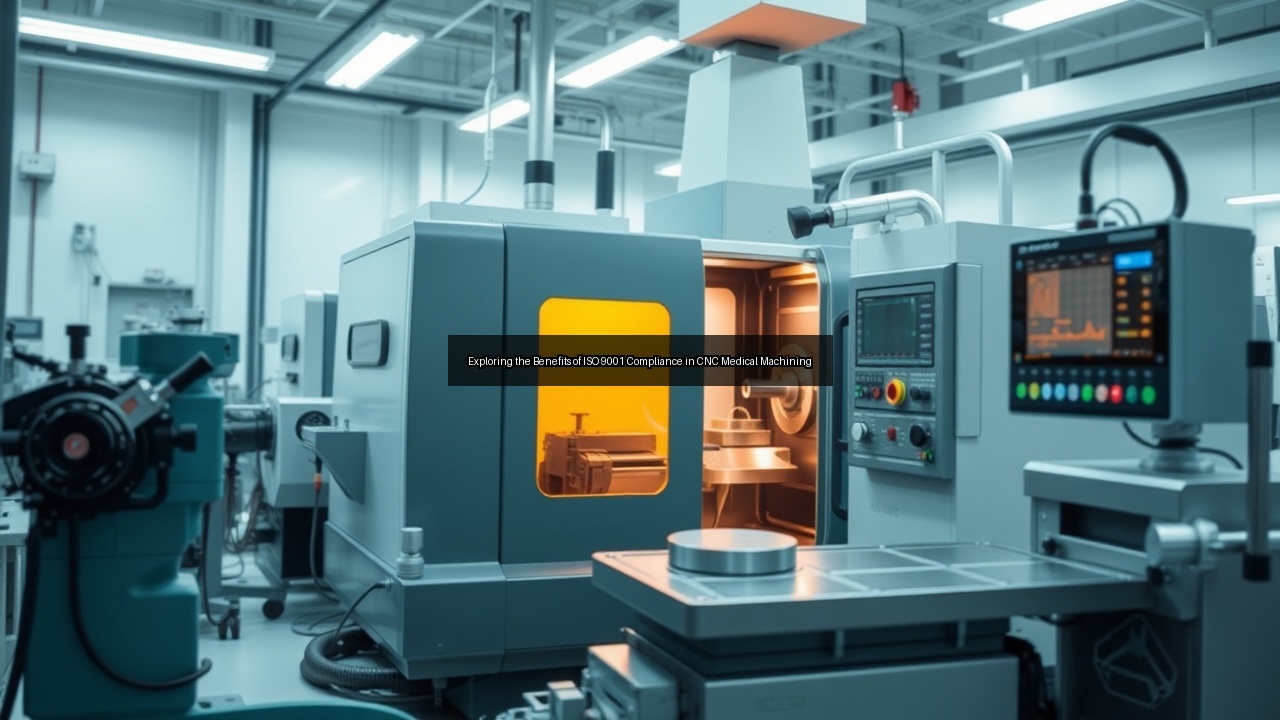
Understanding ISO 9001 and Its Importance in CNC Medical Machining
What is ISO 9001?
ISO 9001 sets the global standard for quality management systems, ensuring organizations deliver consistent products and services that meet customer and regulatory requirements. In the realm of CNC medical machining services, this certification proves essential. It guides manufacturers through systematic processes that prioritize quality at every stage, from design to delivery. Companies pursuing ISO 9001 undergo rigorous audits to verify their adherence to these principles. For medical CNC machining, where precision defines success, ISO 9001 mandates documented procedures for handling materials like titanium and plastics. This framework helps prevent errors in producing medical devices, such as surgical instruments and prosthetics. Manufacturers integrate ISO 9001 into their operations to build robust quality controls, including thorough inspections and employee training on CNC machines. Without it, risks escalate in the medical industry, where a single flaw can compromise patient safety. Adopting ISO 9001 elevates CNC machining services from mere production to a reliable pillar of health sector innovation. It fosters a culture of continuous improvement, directly impacting the efficiency of CNC milling and other techniques. Ultimately, ISO 9001 compliance signals to clients that a provider excels in medical device machining, offering peace of mind in high-stakes applications.
Key Principles of ISO 9001 Compliance
ISO 9001 revolves around seven core principles that drive excellence in quality management. Customer focus tops the list, demanding that CNC medical machining services tailor operations to client needs in the medical industry. Leadership commitment ensures top management champions these standards, integrating them into daily CNC machining workflows. Engagement of people empowers employees to contribute ideas, enhancing skills on tools and machines for precise medical implants. A process approach views manufacturing as interconnected steps, optimizing CNC processes to minimize defects in prosthetics and dental instruments. Improvement stands as a constant goal, with regular audits refining inspection protocols in medical CNC machining. Evidence-based decision making relies on data from CNC machines to inform choices in machining for medical applications. Relationship management strengthens ties with suppliers of titanium and other materials vital for compliance. These principles transform ISO 9001 from a checklist into a dynamic system. In CNC manufacturing services, they reduce variability, ensuring every surgical instrument meets exacting standards. Providers of medical machining services leverage these tenets to stay competitive, addressing related demands like CNC precision machining and CNC services. This holistic approach not only meets regulatory hurdles but also boosts operational resilience in the fast-evolving health landscape.
The Role of ISO 9001 in Medical Device Manufacturing
ISO 9001 plays a pivotal role in medical device manufacturing by embedding quality assurance into the core of production processes. In CNC medical machining, it ensures that every component, from medical implants to surgical tools, adheres to stringent safety norms. Manufacturers align their CNC machining services with ISO 9001 to navigate complex regulations like FDA guidelines, reducing liability in the medical industry. This standard promotes risk-based thinking, identifying potential failures in machining titanium prosthetics or plastics-based devices early. It also standardizes documentation, making traceability seamless during inspections for medical device compliance. Companies offering CNC machining for medical applications gain a competitive edge, as ISO 9001 certification reassures hospitals and OEMs of reliability. Beyond compliance, it drives innovation in CNC milling techniques, allowing for customized solutions in dental instruments and beyond. The medical sector demands unwavering precision, and ISO 9001 delivers by fostering a proactive quality culture. Providers of medical CNC machining services report fewer recalls and higher throughput after implementation. This certification bridges the gap between advanced technology and regulatory demands, solidifying its indispensable status in producing life-saving medical devices. As the health field expands, ISO 9001 remains the benchmark for excellence in CNC manufacturing services.
Benefits of ISO 9001 Compliance in CNC Medical Machining
Enhanced Quality Assurance in Medical Devices
ISO 9001 compliance supercharges quality assurance in medical devices produced through CNC medical machining services. It enforces rigorous protocols that catch defects before they reach end-users, safeguarding patient health. In CNC machining, this means calibrated machines and tools deliver micron-level accuracy for components like surgical instruments and medical implants. Regular audits under ISO 9001 verify that inspection processes align with industry best practices, minimizing contamination risks in sterile environments. Manufacturers integrate advanced software for real-time monitoring, ensuring every batch of prosthetics or dental instruments meets specifications. This heightened assurance extends to material handling, where titanium and plastics undergo verified sourcing to prevent impurities. Clients seeking medical machining services value this reliability, as it slashes rework costs and accelerates market entry. ISO 9001 also promotes predictive maintenance on CNC machines, averting breakdowns that could compromise quality. In the medical industry, where precision machining defines outcomes, this standard elevates CNC services from adequate to exemplary. Providers report up to 30% improvements in defect rates post-certification, underscoring its tangible impact. Ultimately, ISO 9001 turns quality assurance into a strategic asset, fostering trust and longevity in CNC manufacturing for health applications.
Improved Customer Satisfaction and Trust
ISO 9001 compliance directly boosts customer satisfaction and trust in CNC medical machining services. Clients in the medical industry prioritize partners who demonstrate proven quality, and this certification serves as a powerful endorsement. It signals that a provider consistently delivers flawless medical devices, from surgical instruments to prosthetics, without surprises. Through structured feedback loops, ISO 9001 ensures customer input shapes CNC machining processes, leading to tailored solutions like custom titanium implants. Trust builds as transparency in inspections and compliance documentation reassures stakeholders of ethical practices. Hospitals and device makers, reliant on CNC precision machining, favor certified suppliers to mitigate risks in patient care. This standard also enhances communication, with clear reporting on project milestones in medical CNC machining. Satisfied customers often become repeat business, expanding networks in the health sector. Providers of machining services for medical applications leverage ISO 9001 to differentiate themselves, addressing queries on CNC manufacturing services and beyond. Measurable outcomes include higher Net Promoter Scores and stronger partnerships. In an era of stringent regulations, ISO 9001 fortifies relationships, turning one-off projects into enduring collaborations that drive innovation in medical devices.
Streamlined Processes and Reduced Waste
ISO 9001 streamlines processes in CNC medical machining, slashing waste and boosting efficiency across the board. It introduces lean methodologies that optimize workflows, from raw material intake to final inspection of medical devices. In CNC machining services, this means shorter cycle times for producing surgical instruments and dental tools, without sacrificing precision. Standardized procedures on CNC machines eliminate redundancies, conserving resources like titanium and plastics in prosthetics manufacturing. Waste reduction aligns with ISO 9001's emphasis on continual improvement, where data analytics pinpoint inefficiencies in medical CNC machining. Manufacturers achieve up to 20% material savings, directly impacting profitability in the medical industry. Automated tracking systems ensure compliance while minimizing errors in CNC milling operations. This efficiency extends to supply chain management, fostering just-in-time delivery for medical implants. Clients benefit from cost-effective CNC services that maintain high standards in health applications. Beyond finances, streamlined processes enhance employee morale through clearer roles and training on tools and techniques. As demands for medical machining services grow, ISO 9001 positions providers as agile leaders, ready to scale without excess. This holistic efficiency underscores the standard's role in sustainable CNC manufacturing for the future.
Impact of ISO 9001 on CNC Machining Services for the Medical Industry
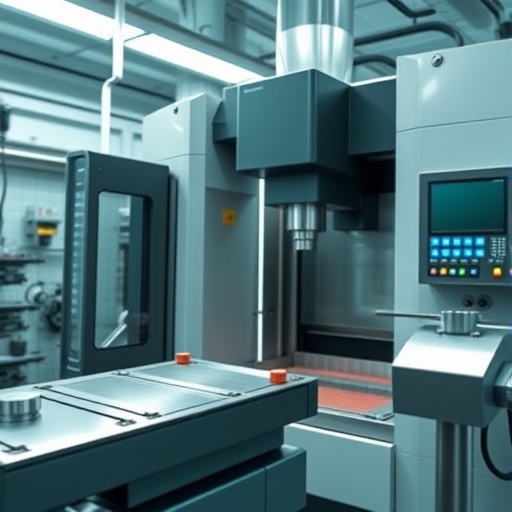
Quality Control in CNC Machining of Surgical Instruments
ISO 9001 revolutionizes quality control in CNC machining of surgical instruments, ensuring these critical tools perform flawlessly in operations. Certified providers implement multi-layer inspections on CNC machines, verifying dimensions and surface finishes down to the micron. This precision matters immensely in the medical industry, where even minor deviations can affect surgical outcomes. ISO 9001 mandates validated processes for handling sterile materials, reducing contamination risks during production. Advanced CNC techniques, like swiss machining, benefit from standardized protocols that enhance repeatability for complex geometries in scalpels and forceps. Manufacturers track every step with digital logs, facilitating quick traceability during audits. Compliance fosters innovation, allowing integration of new tools for sharper, more durable instruments. Clients seeking CNC machining for medical applications trust these controls, knowing they align with global standards. Reduced defects translate to fewer returns and stronger reputations in health services. ISO 9001 also emphasizes training, equipping operators to maximize CNC milling efficiency. In high-volume runs for hospitals, this control prevents costly recalls, safeguarding lives and livelihoods. Overall, it elevates surgical instrument production to a benchmark of reliability in medical CNC machining services.
Compliance in Machining Medical Implants and Prosthetics
ISO 9001 ensures unwavering compliance in machining medical implants and prosthetics, where biocompatibility and durability reign supreme. In CNC medical machining services, it enforces protocols for biocompatible materials like titanium, preventing adverse reactions in patients. Certified facilities conduct exhaustive testing on CNC machines to confirm implant integrity, from hip replacements to custom prosthetics. This standard integrates with regulations like ISO 13485, amplifying scrutiny in medical device production. Traceability features allow full audits of each component's journey, crucial for post-market surveillance. Providers of medical machining services use ISO 9001 to streamline validations, accelerating approvals for innovative prosthetics. Advanced inspection tools, calibrated under the standard, detect subsurface flaws invisible to the naked eye. In the medical industry, this compliance builds investor confidence and opens global markets. CNC techniques, including precision turning, achieve tolerances vital for load-bearing implants. Sustainability aspects emerge too, with efficient processes minimizing scrap in plastics and metals. Clients value partners who embody this rigor, addressing needs in CNC manufacturing services for health. ISO 9001 not only meets but anticipates compliance demands, positioning machining for medical implants as a cornerstone of advanced healthcare solutions.
Meeting Regulatory Standards in Machining for Medical Applications
ISO 9001 equips CNC machining services to meet regulatory standards in medical applications, bridging technical prowess with legal imperatives. In the medical industry, bodies like the FDA demand ironclad documentation, which this standard provides through comprehensive quality manuals. For CNC production of devices like dental instruments and surgical tools, ISO 9001 ensures processes withstand scrutiny, from design to distribution. It promotes risk assessments tailored to machining hazards, such as material inconsistencies in titanium components. Certified providers excel in change control, updating CNC programs without disrupting compliance in medical implants. This foresight aids in navigating international variances, like EU MDR requirements. Inspection regimes under ISO 9001 incorporate non-destructive testing, verifying compliance in every batch. Companies offering medical CNC machining services leverage this to secure contracts with regulated entities. Training modules keep staff abreast of evolving standards, enhancing CNC milling accuracy. Beyond avoidance of penalties, it unlocks opportunities in emerging markets for health innovations. ISO 9001 transforms regulatory hurdles into competitive strengths, ensuring machining for medical applications delivers safe, effective products. This alignment fortifies the entire supply chain, from raw materials to end-use in patient care.
Technological Advancements in CNC Machining for Medical Applications
Utilizing Advanced CNC Machines for Precision Machining
Advanced CNC machines drive precision machining in medical applications, enabling intricate designs with unmatched accuracy. In CNC medical machining services, multi-axis systems like 5-axis CNC mills handle complex geometries for surgical instruments and implants. These machines integrate CAD/CAM software for seamless transitions from digital models to physical parts, crucial in the medical industry. High-speed spindles and vibration-dampening features ensure smooth cuts in tough materials like titanium, reducing tool wear. ISO 9001 compliance validates these technologies, with regular calibrations maintaining tolerances under 0.001 inches. Providers of CNC machining for medical leverage automation, including robotic loading, to boost throughput without errors. Sensor-equipped machines provide real-time feedback, alerting operators to deviations during production of prosthetics. This precision minimizes post-machining adjustments, saving time and costs in health sector projects. Innovations in coolant systems enhance surface finishes for biocompatible devices. Clients benefit from faster prototyping, accelerating development of dental instruments. As CNC manufacturing services evolve, these machines set new benchmarks, supporting ISO standards while pushing boundaries in medical device innovation. Their role proves indispensable for reliable, high-volume medical CNC machining.
Innovations in Tools and Techniques for Medical CNC Machining
Innovations in tools and techniques transform medical CNC machining, delivering superior results for demanding health applications. Diamond-coated end mills and ceramic inserts extend tool life when working with titanium and plastics, vital for medical implants. Hybrid techniques combine CNC milling with additive manufacturing, creating hybrid prosthetics with integrated features. In CNC medical machining services, AI-driven toolpath optimization reduces cycle times by 25%, enhancing efficiency in the medical industry. Ultrasonic-assisted machining minimizes heat buildup, preserving material properties in surgical instruments. ISO 9001 guides the adoption of these innovations, ensuring validated techniques meet quality thresholds. Advanced probing systems enable in-process inspections, catching issues early in dental instrument production. Waterjet integration offers burr-free edges for delicate components. Providers of machining services for medical applications invest in these advancements to address precision needs. Collaborative robots assist in setup, freeing skilled operators for complex tasks. Sustainability innovations, like recyclable tooling, align with eco-conscious health trends. These developments not only elevate CNC services but also foster customization, meeting diverse regulatory landscapes. As techniques advance, they solidify medical CNC machining as a pillar of technological progress in healthcare.
The Role of CNC Milling in Producing Dental Instruments and Implants
CNC milling plays a central role in producing dental instruments and implants, offering versatility and precision tailored to oral health needs. In medical CNC machining services, vertical and horizontal mills craft intricate burrs, scalers, and crowns from biocompatible titanium and ceramics. Multi-axis capabilities allow undercuts and complex profiles impossible with traditional methods, ensuring ergonomic designs for dentists. ISO 9001 compliance ensures sterile production environments, with validated milling paths preventing contamination in implants. High-resolution scanners feed data directly into CNC systems, enabling patient-specific prosthetics that fit perfectly. Tool changers automate operations, maintaining consistency across batches of dental instruments. In the medical industry, this technology supports minimally invasive tools, reducing recovery times. Surface texturing techniques enhance osseointegration for implants, promoting faster healing. Providers of CNC machining for medical integrate coolant misting to achieve mirror finishes, critical for hygiene. Cost efficiencies arise from reduced material waste in plastics milling. As demands grow for personalized dentistry, CNC milling adapts with software updates for faster iterations. This role underscores its value in elevating medical device quality, blending artistry with engineering in health innovations.
Future Trends in CNC Medical Machining Services
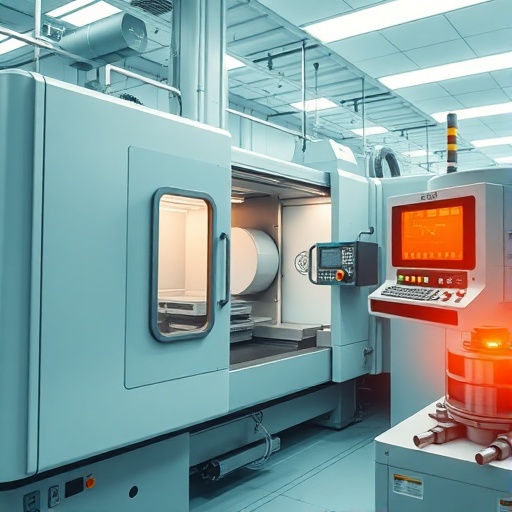
The Growing Demand for CNC Machining in the Health Sector
The health sector's growing demand for CNC machining fuels expansion in specialized services, driven by aging populations and technological leaps. Medical CNC machining services anticipate a surge in orders for custom implants and wearable diagnostics, requiring agile CNC manufacturing. Advancements in minimally invasive surgery amplify needs for precision surgical instruments, where CNC excels in prototyping and scaling. ISO 9001-certified providers stand ready to meet this boom, offering scalable solutions in titanium and advanced plastics. Global health initiatives push for affordable devices, spurring CNC services in emerging markets. Integration of IoT in CNC machines enables predictive analytics, optimizing production for health applications. The rise of personalized medicine demands on-demand machining for unique prosthetics, challenging providers to innovate. In the medical industry, CNC precision machining addresses shortages in dental instruments amid rising procedures. Sustainability trends favor eco-friendly processes, aligning with ISO standards for waste reduction. Clients seek partners versed in regulatory nuances, ensuring compliance in diverse regions. This demand trajectory promises robust growth, positioning CNC machining services as vital to future healthcare delivery and innovation.
Sustainability and Materials: Titanium and Plastics in Medical Devices
Sustainability shapes the use of titanium and plastics in medical devices, with CNC machining services adapting to eco-friendly practices. Titanium's recyclability makes it ideal for implants, where CNC processes minimize scrap through efficient nesting algorithms. Biodegradable plastics gain traction for temporary prosthetics, machined with low-energy CNC mills to cut carbon footprints. ISO 9001 encourages sustainable sourcing, verifying suppliers for ethical material chains in the medical industry. Advanced coatings on titanium reduce sterilization needs, extending device life and lessening waste. CNC techniques like dry machining eliminate coolants, promoting green production of surgical instruments. In health applications, lightweight plastics enable portable diagnostics, machined for durability without excess material. Providers of medical CNC machining services track lifecycle impacts, optimizing designs for recyclability. Regulatory pushes for sustainability integrate with ISO compliance, rewarding innovative approaches. Hybrid materials, blending titanium with polymers, emerge via precision CNC, balancing strength and eco-profile. This focus not only meets environmental goals but enhances device performance, ensuring medical devices contribute positively to global health without depleting resources. Future trends will amplify these materials' roles in sustainable CNC manufacturing.
The Influence of Aerospace Standards on Medical CNC Machining
Aerospace standards profoundly influence medical CNC machining, borrowing rigor to elevate precision in health applications. Techniques from AS9100, like non-destructive testing, enhance inspections for medical implants, ensuring flaw detection akin to aircraft parts. In CNC medical machining services, aerospace-derived tolerances—often under 0.0005 inches—apply to titanium prosthetics, mirroring demands for lightweight durability. Material expertise in high-performance alloys transfers seamlessly to surgical instruments, improving biocompatibility. ISO 9001 serves as a foundation, with aerospace protocols adding layers for traceability in the medical industry. Multi-axis CNC machines, honed in aerospace, enable complex geometries for dental tools without welds. Quality philosophies, such as zero-defect cultures, reduce risks in life-critical devices. Providers of machining services for medical adopt FAI (First Article Inspection) from aerospace, verifying initial runs rigorously. This cross-pollination accelerates innovations, like vibration-resistant milling for precision health components. As standards converge, CNC manufacturing services gain credibility, attracting talent from aerospace sectors. The influence promises safer, more reliable medical CNC machining, blending worlds to advance patient outcomes through shared excellence.
See Also
- Ensuring Quality and Compliance in Medical CNC Machining Processes
- Maximizing Efficiency in CNC Machining Services for Dental Instruments
- Innovative Materials in Medical CNC Machining from Titanium to Plastics
- Why Swiss CNC Machining is a Game Changer for the Medical Industry
- The Impact of CNC Machining on the Production of Prosthetics and Implants