What to Expect from Your Steel Distributor in Terms of Customer Service
Understanding the Role of a Steel Distributor
What Steel Distributors Do
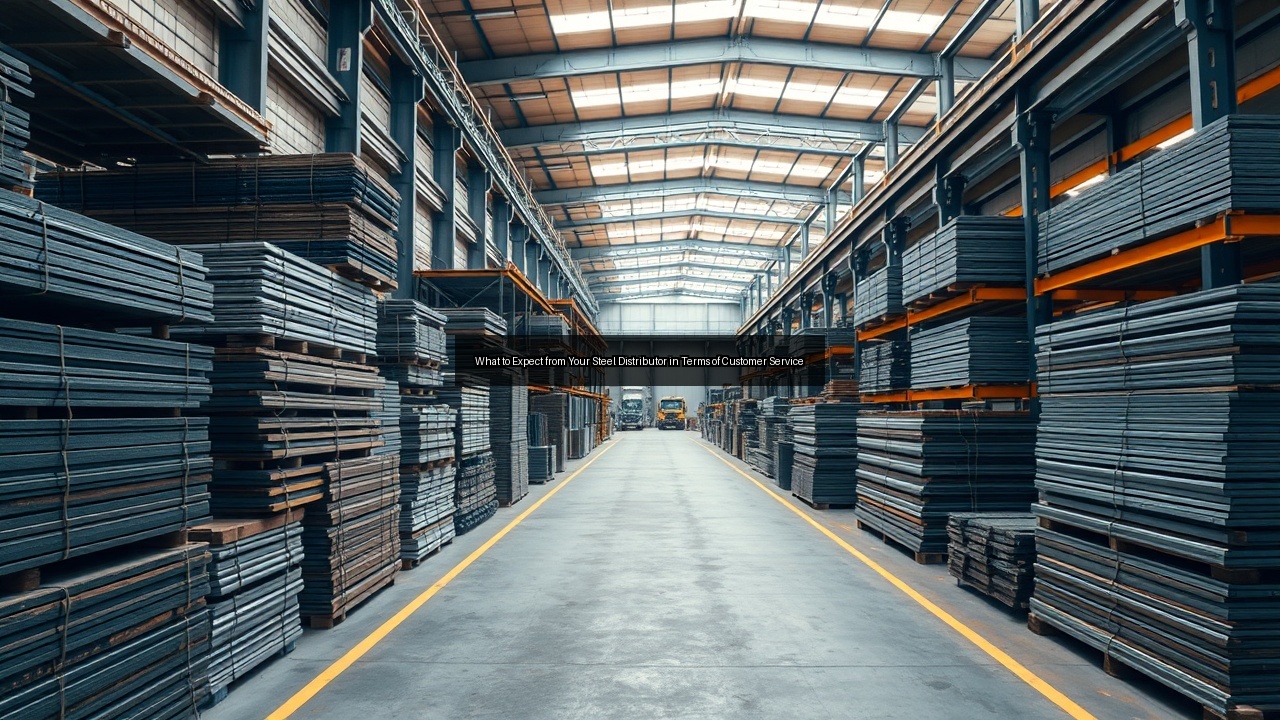
Steel distributors serve as critical intermediaries between steel manufacturers and end-users, providing essential services that streamline the procurement process. They source various steel products, including hot rolled, stainless steel, and tool steels, catering to diverse industries such as construction, automotive, and manufacturing. By maintaining substantial inventories, steel distributors ensure that customers have immediate access to the metals they require, reducing lead times and facilitating just-in-time production. Additionally, they often offer value-added services like cutting, shaping, and finishing, enhancing the utility of the steel products. This functionality makes the distributor a vital resource for businesses seeking reliable metal supplies.
Types of Steel Offered by Distributors
Distributors provide a wide range of steel types, each tailored to specific applications. Hot rolled and cold rolled steel are common offerings, with hot rolled being ideal for structural applications due to its malleability and strength. Tool steel and high-speed steel are essential for manufacturing cutting tools and industrial machinery. Stainless steel, known for its corrosion resistance, is prevalent in industries requiring hygiene and durability, such as food processing and healthcare. Galvanized steel, coated with a layer of zinc to prevent rusting, finds applications in outdoor structures. Understanding the variety of steel types available helps customers make informed decisions based on their unique requirements.
Importance of Quality in Tool Steels and High-Speed Steel
Quality plays a crucial role in the performance of tool steels and high-speed steel. These materials undergo stringent quality controls to ensure they meet the necessary specifications for hardness, toughness, and wear resistance. High-quality tool steels enhance the longevity and efficiency of cutting tools, reducing downtime and maintenance costs for manufacturers. Similarly, high-speed steel is engineered for high-performance applications, allowing for faster machining speeds while maintaining durability. Distributors must prioritize sourcing from reputable manufacturers to guarantee the quality of these critical materials, ensuring that customers receive products capable of meeting demanding operational standards.
Customer Service Expectations from Steel Distributors
Responsive Communication and Support
Effective communication remains a cornerstone of customer service in steel distribution. Customers expect distributors to provide timely responses to inquiries, whether regarding product availability, specifications, or pricing. A reliable distributor should have knowledgeable representatives who can address questions and offer assistance at any stage of steel metal distributor the purchasing process. This level of support fosters trust and builds strong relationships, enabling customers to feel confident in their purchasing decisions. Additionally, distributors that invest in user-friendly platforms for order tracking and customer inquiries demonstrate their commitment to exceptional service, making the procurement process smoother and more efficient.
Expertise in Metal Selection
Choosing the right metal for a specific application can significantly impact product performance and longevity. Steel distributors should possess deep knowledge of the various types of steel and their applications. Their expertise allows them to guide customers in selecting the appropriate materials for their projects, assisting with considerations like strength, corrosion resistance, and machinability. Whether a customer seeks tool steel for precision machining or high-speed steel for cutting applications, a knowledgeable distributor can provide valuable insights, ensuring that clients receive the best possible products for their needs. Such guidance can also help customers avoid costly mistakes and enhance overall project outcomes.
Timely Delivery and Logistics Management
Timely delivery is a non-negotiable expectation in the steel distribution industry. Customers rely on distributors to manage logistics efficiently, ensuring that orders arrive on schedule to prevent delays in production. Distributors often coordinate complex supply chains, managing inventory levels steel metal distributor and transportation to optimize delivery times. A well-organized logistics operation minimizes the risk of stockouts and production halts, which is especially crucial in industries where downtime can lead to significant financial losses. Customers should expect their distributors to provide tracking information and updates regarding their orders, fostering transparency and confidence in the delivery process.
Pricing and Value in Steel Distribution
Factors Influencing Steel Pricing
Several factors influence steel pricing, from raw material costs to market demand. Fluctuations in the prices of iron ore, scrap metal, and energy can directly impact the cost of producing steel. Additionally, supply chain disruptions and geopolitical events may create volatility in the market, affecting prices for distributors and, consequently, their customers. Understanding these factors can help customers anticipate price changes and make informed purchasing decisions. Distributors who communicate openly about pricing structures and the factors that influence costs can build trust with their clients, fostering long-term relationships and customer loyalty.
Negotiating with Your Steel Distributor
Negotiation plays a vital role in establishing favorable pricing terms between customers and their steel distributors. Effective negotiation involves understanding the market landscape, including pricing trends and competitor offers. Customers should approach negotiations armed with knowledge about the types of steel they need and their specific requirements. Many distributors are open to discussions regarding bulk pricing, long-term contracts, or loyalty discounts. Establishing a mutually beneficial agreement not only enhances the customer’s bottom line but also strengthens the partnership with the distributor, paving the way for future collaboration and support.
Understanding Pricing Models for Different Steel Types
Steel distributors often employ various pricing models based on the type of steel and market conditions. Pricing may be fixed, variable, or tiered, depending on factors like order volume and frequency of purchases. Tool steels and high-speed steels, for instance, may command higher prices due to their specialized properties and manufacturing processes. Customers should familiarize themselves with these pricing structures to better plan their budgets and procurement strategies. Distributors that provide clear explanations of their pricing models enable customers to understand the value they receive and make smarter purchasing decisions.
Building a Long-Term Relationship with Your Distributor
Evaluating Distributor Reliability
Reliability remains a key factor in selecting a steel distributor. Customers should assess a distributor's track record regarding on-time deliveries, product quality, and customer support. Online reviews, testimonials, and industry reputation can provide valuable insights into a distributor's reliability. Long-term partnerships often yield better outcomes, as familiarity with a distributor's processes allows for smoother transactions and a steel metal distributor deeper understanding of each other's needs. A reliable distributor can significantly enhance a customer's supply chain, ensuring a steady flow of materials and minimizing disruptions.
Feedback Mechanisms and Customer Satisfaction
Effective feedback mechanisms play a crucial role in ensuring customer satisfaction. Distributors should actively seek feedback from clients regarding their products and services, using this information to identify areas for improvement. Regular surveys, follow-up calls, and open lines of communication encourage customers to voice their opinions and concerns. Distributors that prioritize customer feedback demonstrate their commitment to continuous improvement and customer service excellence. Satisfied customers are more likely to remain loyal, fostering long-term partnerships that benefit both parties.
The Role of Distributors in Your Supply Chain Success
Steel distributors are integral to the success of a company’s supply chain. By providing timely access to high-quality metals and offering reliable support, distributors help businesses maintain efficient operations. A strong partnership with a distributor enhances not only material procurement but also collaboration on logistics and inventory management. As industries evolve, distributors can adapt to changing market demands, ensuring that customers remain competitive. Investing time and effort into building a solid relationship with a steel distributor pays dividends in terms of reliability, quality, and overall supply chain effectiveness.