Innovative Techniques in Shaft Manufacturing for Enhanced Mechanical Performance

Advancements in Shaft Manufacturing Techniques
Overview of Traditional Manufacturing Methods
Shaft manufacturing has long relied on time-tested techniques that form the backbone of mechanical engineering. Traditional methods start with basic metalworking processes like turning and milling, where machinists shape raw metal stock into precise shafts using lathes and mills. Forging stands out as a cornerstone, heating metal to make it malleable before hammering or pressing it into the desired form, which strengthens the grain structure for better load-bearing capacity. In shaft production, these approaches ensure durability for components like axles and rotors. Casting pours molten metal into molds to create rough shaft shapes, followed by machining to refine dimensions. These methods dominate industrial shafts because they handle high volumes and deliver consistent results. However, they often involve heavy machinery and skilled labor, limiting flexibility for custom designs. Belts and couplings integrate with these shafts in traditional setups, transmitting power reliably in machinery. Despite their reliability, traditional manufacturing faces challenges in precision and waste reduction, pushing the industry toward innovation. Manufacturers still use these techniques for drive shafts and tail shafts in automotive and heavy equipment sectors, where proven strength matters most. Overall, grasping these foundational practices reveals why modern advancements build upon them to enhance performance without sacrificing core principles.
Emerging Technologies in Shaft Production
New technologies revolutionize shaft manufacturing by introducing speed, accuracy, and efficiency that traditional methods can't match. Additive manufacturing, or 3D printing, builds shafts layer by layer from metal powders, allowing complex geometries impossible with forging or casting. This technique excels in prototyping shaft components and customizing industrial shafts for specific applications. Laser cutting and waterjet machining offer precise cuts on tube materials, reducing material waste in shaft production. Robotics automate repetitive tasks, enabling machinists to focus on oversight rather than manual labor. In mechanical engineering, these tools integrate seamlessly, producing manufactured shafts with tighter tolerances. Hybrid processes combine CNC machining with forging, blending the strength of forged parts with the precision of computer control. Emerging tech also includes ultrasonic machining for hard materials, vibrating tools to remove stock without heat distortion. These innovations cut production times dramatically, vital for high-demand sectors like aerospace where shafts connect to bearings and couplings under extreme conditions. Sustainability gains traction too, with tech minimizing scrap in manufacturing shafts. As adoption grows, companies report up to 30% cost savings while improving shaft design flexibility. Forward-thinking manufacturers invest in these technologies to stay competitive in a market craving enhanced mechanical performance.
Role of Computer-Aided Design (CAD) in Shaft Design
Computer-aided design transforms shaft design from sketches to fully simulated models, empowering engineers to optimize before production begins. CAD software lets teams visualize shaft components in 3D, testing fits with couplings and bearings virtually. In shaft manufacturing, this reduces errors, as designers iterate quickly on axle or rotor shapes without physical prototypes. Integration with simulation tools predicts stress points, informing adjustments for fatigue resistance. Mechanical engineers use CAD to incorporate features like keyways for belts, ensuring seamless assembly. Parametric modeling allows scaling designs for various sizes, streamlining manufacture shafts for diverse applications. Collaboration thrives too; cloud-based CAD enables global teams to refine shaft production plans in real time. Beyond basics, advanced CAD handles composite materials integration, blending metals with plastics for hybrid shafts. This technology cuts development time by half, accelerating market entry for innovative products. In practice, CAD-driven designs yield shafts with superior performance, like reduced vibration in drive shafts. Educational resources and software tutorials democratize access, letting even small firms compete in shaft design. Ultimately, CAD stands as the linchpin of modern manufacturing shafts, bridging creativity with precision engineering.
Materials Used in Shaft Manufacturing

Metals vs. Composites: A Comparative Analysis
Choosing between metals and composites in shaft manufacturing hinges on balancing strength, weight, and cost for optimal mechanical performance. Metals like steel and aluminum dominate due to their high tensile strength and machinability, ideal for forged shafts enduring heavy loads in industrial applications. Steel shafts resist fatigue well, making them staples in axles and rotors where durability trumps all. Aluminum offers lighter weight, reducing energy use in drive shafts, but it yields under extreme stress compared to alloys. Composites, including carbon fiber and fiberglass, shine in weight-sensitive scenarios; they provide stiffness without bulk, revolutionizing shaft design in aerospace. Composite materials absorb vibrations better than metals, enhancing longevity in high-speed rotors. However, composites cost more and demand specialized manufacturing shafts techniques, like filament winding for tube structures. Metals excel in conductivity and recyclability, while composites resist corrosion naturally. In mechanical engineering, hybrid shafts combine both—metal cores with composite wraps—for unmatched performance. Comparative tests show composites cut weight by 50% yet match metal strength in torsion. For tail shafts in marine use, composites reduce fuel consumption. Ultimately, the choice depends on application: metals for rugged reliability, composites for efficiency-driven innovation.
The Role of Forged and Machined Components
Forged and machined components form the heart of robust shaft manufacturing, delivering parts that withstand rigorous demands. Forging compresses metal under high pressure, aligning grains for superior strength over cast alternatives, crucial for shafts in heavy machinery. This process suits drive shafts and axles, where impact resistance prevents failures. Post-forging, machining refines shapes using CNC tools, ensuring precise dimensions for couplings and bearings integration. Machinists employ turning, drilling, and milling to create features like splines, enhancing power transmission via belts. In shaft production, forging reduces voids, boosting fatigue life in rotors. Alloy steels forged at elevated temperatures yield components with 20-30% higher yield strength. Machining follows with tolerances down to microns, vital for industrial shafts. This duo minimizes waste, as forgings provide near-net shapes before final cuts. In mechanical engineering, these methods ensure compliance with standards like ISO for manufactured shafts. Challenges include high initial setup costs, but benefits in performance justify investment. Emerging trends incorporate simulation to predict forging outcomes, optimizing grain flow. Forged and machined shafts power everything from turbines to vehicles, proving their indispensable role in reliable engineering solutions.
Innovative Use of Plastics in Shaft Design
Plastics inject fresh possibilities into shaft design, offering lightweight alternatives that challenge metal dominance in manufacturing shafts. Engineering polymers like nylon and acetal provide self-lubricating properties, ideal for low-load axles in consumer products. These materials resist corrosion, extending life in harsh environments without coatings. In shaft components, plastics enable complex geometries via injection molding, speeding production over metalworking. Composites reinforced with glass fibers boost strength, matching some metal performance in rotors. Innovative designs pair plastic shafts with metal hubs for hybrid systems, balancing cost and durability. Mechanical engineers favor plastics for noise reduction, damping vibrations in belt-driven setups. Sustainability drives adoption too; recyclable plastics lower environmental impact compared to forged metals. Tolerances in plastic shaft manufacturing reach precision levels via advanced molds, supporting couplings without backlash. Applications span medical devices to robotics, where weight savings enhance efficiency. Drawbacks include lower heat tolerance, but additives like carbon nanotubes address this. Market growth for plastic shafts surges 15% annually, reflecting innovation. By integrating plastics thoughtfully, manufacturers achieve enhanced mechanical performance with reduced inertia, redefining traditional shaft paradigms.
Enhancing Mechanical Performance through Design
Stress Analysis for Optimal Shaft Performance
Stress analysis drives optimal shaft performance by identifying weak points before they lead to failure in real-world use. Engineers apply finite element analysis (FEA) software to model how forces act on shafts, simulating torsion, bending, and axial loads. This reveals hotspots in drive shafts or rotors, guiding material choices and geometry tweaks. In manufacturing shafts, thorough stress analysis prevents fatigue cracks, extending service life in industrial applications. Couplings and bearings factor in, as misalignment amplifies stress; designs account for these interactions. Traditional methods like strain gauging complement digital tools, validating predictions. For tail shafts in propulsion systems, analysis ensures compliance with safety margins under dynamic conditions. Composites benefit immensely, as stress models optimize fiber orientation for uniform load distribution. Mechanical engineering curricula emphasize this, training professionals to integrate analysis early in shaft design. Results show up to 40% performance gains through targeted reinforcements. Beyond basics, thermal stress from friction enters equations, especially in high-speed axles. Regular analysis iterations refine prototypes, minimizing costly recalls. Ultimately, mastering stress analysis equips manufacturers to deliver shafts that perform reliably, pushing boundaries in mechanical innovation.
Design Considerations for Couplings and Bearings
Design considerations for couplings and bearings shape shaft systems that transmit power smoothly while minimizing wear. Couplings link shafts flexibly, accommodating misalignment in drive shafts without transmitting shocks. Engineers select types like gear or flexible couplings based on torque needs, ensuring compatibility with shaft diameters. Bearings support rotating shafts, reducing friction; ball bearings suit high speeds in rotors, while roller types handle heavy radial loads in axles. In shaft manufacturing, precise alignment during design prevents premature failure. Material pairings matter—stainless couplings pair with corrosion-resistant shafts for marine tail shafts. Lubrication channels integrate into designs, extending bearing life. Mechanical engineering principles dictate tolerances, with micron-level fits avoiding play. Vibration analysis informs damping features, crucial for belt-driven systems. Innovations like magnetic bearings eliminate contact, boosting efficiency in precision applications. Cost-benefit weighs custom vs. off-the-shelf components; modular designs allow swaps. Testing simulates operational stresses, refining interfaces. These considerations yield systems with 25% less downtime, enhancing overall mechanical performance. Thoughtful integration turns potential friction points into seamless operations, vital for manufactured shafts in demanding industries.
Impact of Shaft Geometry on Fatigue Resistance
Shaft geometry profoundly impacts fatigue resistance, determining how well components endure cyclic loading over time. Keyways and fillets represent stress concentrators; rounded profiles distribute loads evenly, slashing crack initiation risks in rotors. Tapered designs in axles handle varying torques, while hollow tubes reduce weight without sacrificing strength. In manufacturing shafts, optimizing diameter-to-length ratios prevents buckling under compression. Composites allow intricate geometries, like helical twists for better torsion resistance. Mechanical engineers use fatigue curves to predict lifespan, factoring geometry into safety factors. Surface finishes influence too; smoother geometries from grinding lower initiation sites. For drive shafts, splined ends demand careful profiling to avoid stress risers. Tail shafts in vehicles benefit from stepped geometries, balancing rigidity and flexibility. Finite element models quantify impacts, showing 50% fatigue life extensions via refinements. Historical failures, like propeller shaft breaks, underscore geometry's role. Modern CAD enables rapid iterations, testing virtual extremes. Incorporating belts requires groove geometries that minimize slippage under fatigue. Ultimately, geometry mastery in shaft design fortifies against wear, ensuring longevity in industrial shafts and beyond.
Machining and Finishing Processes
Grinding Techniques for Precision Manufacturing
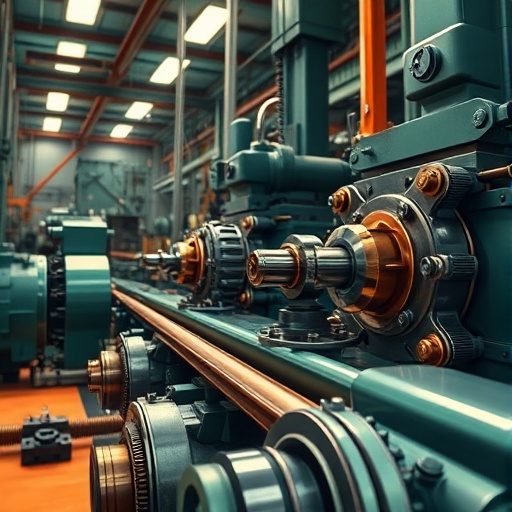
Grinding techniques elevate precision manufacturing by achieving surface finishes and tolerances unattainable through rough machining alone. Cylindrical grinding spins shafts against abrasive wheels, removing microns for exact diameters in axles and rotors. Centerless grinding eliminates chucking errors, ideal for high-volume shaft production. In mechanical engineering, these methods ensure roundness within 0.001 mm, critical for bearing fits. Superabrasive wheels with diamond or CBN cut hard materials efficiently, speeding processes in forged components. Coolant systems prevent thermal distortion, preserving geometry in drive shafts. Machinists program multi-axis grinders for complex profiles, like tapers in tail shafts. Innovations include creep-feed grinding for deeper cuts in one pass, boosting throughput. Quality checks via profilometers verify roughness, influencing fatigue resistance. Compared to milling, grinding yields superior finishes, reducing subsequent treatments. Sustainability efforts recycle abrasives, cutting waste in manufacturing shafts. Training emphasizes safety, as high speeds demand expertise. These techniques underpin industrial shafts' reliability, enabling tighter designs. From prototypes to mass runs, grinding polishes performance, making it indispensable for enhanced mechanical outcomes.
The Importance of Tolerance in Shaft Production
Tolerance in shaft production dictates fit, function, and longevity, turning good designs into exceptional realities. Tight tolerances, often ±0.005 mm, ensure shafts mesh perfectly with couplings and bearings, preventing vibrations in rotors. In manufacturing shafts, ISO standards guide specs, balancing precision with cost. Loose tolerances suit low-speed axles, while high-precision demands micromachining for tail shafts. Geometric dimensioning and tolerancing (GD&T) refines requirements, specifying allowable deviations in form and orientation. Machinists use calipers and CMMs to verify, rejecting non-conformers early. Composites introduce challenges, as material variability affects tolerances; controlled curing mitigates this. In mechanical engineering, tolerance stacks analyze cumulative effects in assemblies with belts. Digital twins simulate outcomes, optimizing allowances. Poor tolerances lead to failures, like binding in drive shafts, costing downtime. Advances in metrology automate inspections, enhancing accuracy. For plastics, thermal expansion influences tolerances, requiring compensated designs. Adhering to tolerances elevates manufactured shafts' performance, fostering reliability across applications. This discipline separates elite producers, ensuring every shaft meets rigorous demands.
Innovations in Surface Treatments and Coatings
Innovations in surface treatments and coatings protect shafts from wear, corrosion, and friction, extending service life in harsh environments. Nitriding diffuses nitrogen into metal surfaces, hardening them without altering dimensions—perfect for forged axles. PVD coatings deposit thin films of titanium nitride, providing lubricity for high-speed rotors. In shaft manufacturing, these enhance fatigue resistance by sealing micro-cracks. Ceramic coatings withstand extreme temperatures in tail shafts, outperforming traditional paints. Nanostructured treatments create self-healing layers, repairing scratches autonomously. Mechanical engineers select based on application; DLC coatings reduce friction in bearing interfaces by 50%. Eco-friendly options like water-based primers cut VOC emissions. Application methods evolve—plasma spraying for uniform coverage on complex geometries. Testing via salt fog chambers validates durability. For composites, specialized adhesives bond coatings without delamination. These innovations slash maintenance needs in industrial shafts, boosting efficiency. Integration with grinding ensures adhesion, maximizing benefits. As materials advance, coatings adapt, promising even tougher, lighter shafts. This field drives mechanical performance forward, safeguarding investments in manufacturing shafts.
Applications and Future Trends in Shaft Manufacturing
Industrial Applications of Manufactured Shafts
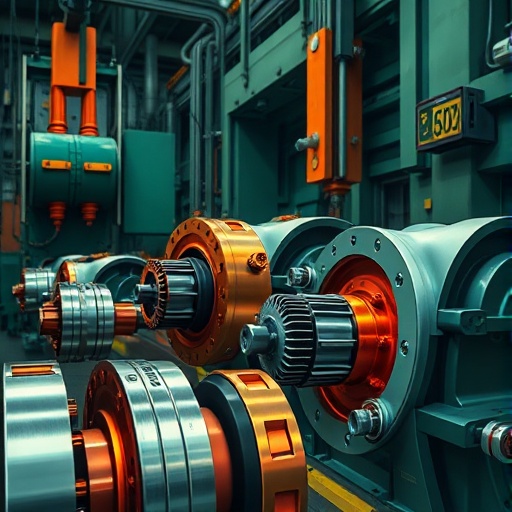
Manufactured shafts power countless industrial applications, from conveyor systems to turbines, where reliability underpins operations. In manufacturing plants, shafts drive belts and couplings, synchronizing machinery for seamless production lines. Automotive sectors rely on drive shafts and axles to transmit engine torque to wheels, enduring millions of cycles. Aerospace uses lightweight composite shafts in rotors, minimizing fuel use while handling vibrations. Marine tail shafts propel vessels, forged for corrosion resistance in saltwater. Power generation features massive shafts connecting generators to turbines, machined to exacting tolerances. In robotics, precision shafts enable agile movements, integrating plastics for reduced inertia. Mechanical engineering tailors shafts for specifics—like hollow designs in pumps for fluid passage. Wind turbines employ long shafts with fatigue-resistant geometries, harnessing renewable energy. Food processing demands hygienic, coated shafts to meet sanitation standards. These applications highlight versatility, with custom manufacturing shafts addressing unique stresses. Data from industry reports shows shafts contributing to 70% of mechanical failures if poorly made, underscoring quality's role. Expanding automation increases demand for smart shafts with embedded sensors. Overall, industrial applications showcase shafts as unsung heroes, driving progress across sectors.
The Future of Drive Shafts and Tail Shafts
The future of drive shafts and tail shafts points toward smarter, lighter designs fueled by materials science and digital integration. Electric vehicles demand compact drive shafts from composites, slashing weight for longer ranges. Tail shafts in hybrid propulsion evolve with modular segments, easing maintenance in ships. Additive manufacturing enables topology-optimized shapes, enhancing strength-to-weight ratios. Sensors embedded in shafts monitor stress in real time, predicting failures via AI analytics. In mechanical engineering, 3D-printed prototypes accelerate iterations for custom axles. Sustainability pushes bio-based plastics for non-critical sections, reducing carbon footprints. Autonomous machinery requires vibration-damped shafts, incorporating active control systems. Quantum leaps in alloys yield self-repairing metals for extreme tail shafts. Market forecasts predict 20% growth in advanced shaft production by 2030, driven by renewables. Challenges like supply chain volatility spur localized manufacturing. Innovations in couplings allow quick-disconnect features, streamlining assembly. For rotors in drones, micro-shafts from nanomaterials promise ultra-precision. This trajectory reimagines shafts as intelligent components, integral to next-gen mobility and energy systems. Embracing these trends ensures enhanced mechanical performance endures.
Sustainability in Shaft Manufacturing Practices
Sustainability reshapes shaft manufacturing practices, prioritizing eco-friendly processes without compromising quality. Recycling metals from scrap reduces energy use by 75% in forging, conserving resources for industrial shafts. Water-based coolants in grinding minimize environmental hazards over oil alternatives. Additive manufacturing cuts waste, building shafts precisely from powders. Composites from recycled fibers lower virgin material needs, ideal for lightweight axles. In mechanical engineering, life-cycle assessments guide designs, favoring durable shafts to extend usage. Solar-powered facilities power CNC machines, slashing emissions in shaft production. Certifications like ISO 14001 enforce green standards, appealing to conscious buyers. Innovations include biodegradable coatings for tail shafts, easing end-of-life disposal. Supply chains shift to local sourcing, cutting transport carbon. Education trains machinists on sustainable techniques, fostering industry-wide change. Data shows green practices yield 15% cost savings long-term through efficiency. Challenges persist in scaling composites, but R&D accelerates solutions. For drive shafts, modular designs facilitate repairs over replacements. This commitment builds resilient, planet-friendly manufacturing shafts, aligning profit with purpose for future generations.