The Cost-Effectiveness of Biodegradable Lubricants in Industrial Applications

Understanding Biodegradable Lubricants in Industrial Settings
Definition and Characteristics of Biodegradable Lubricants
Biodegradable lubricants break down naturally through microbial action, transforming into water, carbon dioxide, and biomass without leaving harmful residues. Industries rely on these lubricants for their ability to reduce environmental harm while maintaining mechanical efficiency. Key characteristics include high biodegradability rates, often exceeding 60% within 28 days under OECD 301 standards, and low toxicity to ecosystems. Unlike traditional options, biodegradable lubricants derive from renewable sources like vegetable oils or synthetic esters, offering excellent lubricity and thermal stability. They resist oxidation effectively, extending equipment life in demanding conditions. Workers handle them safely due to minimal skin irritation and vapor risks. In industrial settings, these lubricants prevent corrosion and wear, ensuring smooth operations in machinery exposed to harsh elements. Engineers value their viscosity index, which stays consistent across temperature fluctuations, from freezing winters to scorching summers. Biodegradable lubricants also demonstrate superior solvency, cleaning systems without sludge buildup. Overall, their formulation prioritizes both performance and planetary health, making them indispensable in modern manufacturing.
Types of Biodegradable Lubricants: Oils, Greases, and More
Biodegradable lubricants come in diverse forms tailored to specific industrial needs, starting with oils that provide fluid lubrication for engines and gears. Vegetable-based oils, such as those from rapeseed or sunflower, excel in low-friction environments like chainsaws and marine outboards. Greases, thickened with biodegradable soaps or polymers, deliver semi-solid protection for bearings and slides, resisting water washout in wet applications. Hydraulic oils and fluids form another category, formulated for power transmission in presses and excavators, where rapid biodegradation prevents soil contamination from leaks. Synthetic biodegradable lubricants, including polyalkylene glycols, handle extreme pressures and temperatures in aerospace components. Chain lubes, often wax-infused, coat conveyor systems in food processing to avoid allergen risks. Cutting fluids incorporate biodegradability to minimize wastewater treatment costs. Each type balances viscosity, pour point, and flash point to match operational demands. Industries select these based on load capacity and speed, ensuring optimal lubrication without environmental trade-offs. Innovations continue to expand options, like nano-enhanced greases for precision tools.
Comparison with Conventional Lubricants: Performance and Safety
Biodegradable lubricants match or surpass conventional counterparts in performance while enhancing safety profiles. Traditional mineral oils, derived from petroleum, offer reliable viscosity but degrade slowly, posing spill risks that harm waterways. Biodegradable versions provide comparable shear stability, reducing friction in gears by up to 20% in tests, and extend service intervals through better oxidation resistance. Safety shines in their non-toxic nature; they avoid bioaccumulation in food chains, unlike petroleum-based lubes that release persistent hydrocarbons. In high-heat scenarios, biodegradable synthetic lubricants maintain film strength, preventing seizures in pumps where conventional ones might volatilize. Cost analyses reveal lower disposal fees for biodegradables, as they qualify for simpler waste management. Performance metrics, like four-ball wear tests, show biodegradable greases scoring lower scar diameters, indicating superior anti-wear properties. Safety regulations favor them in sensitive areas, such as near water bodies, where conventional leaks trigger fines. Operators report fewer health incidents with biodegradables due to reduced VOC emissions. Ultimately, these lubricants deliver robust functionality with a cleaner safety record, driving their adoption across sectors.
Cost-Effectiveness of Biodegradable Lubricants
Initial Investment vs. Long-Term Savings
Biodegradable lubricants demand a higher upfront cost, often 20-50% more per gallon than mineral-based alternatives, due to premium raw materials like plant esters. However, long-term savings emerge through extended equipment lifespan and reduced maintenance. In a typical factory, switching to biodegradable hydraulic oils cuts downtime by 15%, as their superior thermal stability prevents varnish formation in reservoirs. Disposal costs plummet; conventional lubricants require hazardous waste handling at $0.50 per gallon, while biodegradables process as non-hazardous, saving $0.20-0.30 per gallon. Energy efficiency improves with lower friction coefficients, trimming electricity bills in conveyor systems by 5-10%. Over five years, a mid-sized plant recoups the initial premium through fewer replacements and regulatory compliance avoidance. Lifecycle analyses confirm ROI within 18-24 months for high-volume users. Tax incentives for sustainable practices further offset costs, with credits up to 30% on qualifying purchases. Industries like mining report 25% overall savings from biodegradable greases that resist contamination in dusty environments. Forward-thinking managers prioritize these lubricants for their economic resilience, turning environmental choice into fiscal advantage.
Case Studies: Biodegradable Lubricants in Action
A European wind farm operator replaced conventional gear oils with biodegradable versions, slashing lubricant consumption by 40% and eliminating spill cleanup expenses after a gearbox leak. Over two years, they saved €150,000 in maintenance while boosting turbine uptime to 98%. In the U.S. forestry sector, a logging company adopted biodegradable chain lubes, reducing environmental fines by 70% following accidental releases into streams. Equipment wear dropped 30%, extending saw life and yielding $200,000 annual savings. An Asian steel mill integrated biodegradable greases in rolling mills, where high temperatures once degraded traditional lubes quickly. The switch cut relubrication frequency by half, saving 1,200 man-hours yearly and $100,000 in labor. Hydraulic fluid trials in Australian mining showed biodegradables maintaining performance under 5,000 psi pressures, preventing $500,000 in pump failures. Food processors in Canada used vegetable-based oils, achieving FDA compliance without flavor tainting, and reported 15% lower production costs from efficient lubrication. These cases highlight tangible benefits, from cost reductions to operational reliability, proving biodegradable lubricants' value in real-world industrial applications.
Factors Influencing Cost-Effectiveness
Several factors determine the cost-effectiveness of biodegradable lubricants, starting with application severity. In high-load environments like construction cranes, their durability offsets premium pricing through fewer interventions. Base oil source matters; vegetable-derived options cost less than synthetics but may need additives for stability, influencing overall expense. Volume purchasing negotiates bulk discounts, dropping per-gallon rates by 15-25%. Regulatory landscapes play a role—stricter eco-standards in the EU amplify savings via avoided penalties, up to $10,000 per incident. Equipment compatibility affects efficacy; retrofitting seals for biodegradables adds initial outlay but prevents leaks, enhancing long-term gains. Market volatility in petroleum prices favors biodegradables, as renewable feedstocks stabilize costs. Performance metrics, such as biodegradability over 80%, qualify for green certifications that attract premium contracts. Training staff on proper use maximizes benefits, reducing overuse by 20%. Supply chain efficiency, with local production minimizing transport fees, further boosts affordability. Industries evaluate these elements holistically to unlock biodegradable lubricants' full economic potential.
Sustainability and Environmentality of Biodegradable Lubricants
Environmental Impact: Reducing Aquatic Toxicity
Biodegradable lubricants significantly cut aquatic toxicity by breaking down rapidly, preventing long-term harm to fish and invertebrates. Conventional lubes persist in water, with LC50 values indicating high lethality to aquatic life, whereas biodegradables score over 90% degradation in 21 days, minimizing bioaccumulation. Spills in rivers or oceans dissolve harmlessly, unlike petroleum oils that form slicks killing marine organisms. Studies show a 70% reduction in dissolved oxygen depletion from biodegradable hydraulic fluids compared to mineral counterparts. Their low aromatic content avoids endocrine disruption in wildlife. In agriculture, tractor lubes leaching into soil support microbial health without residue buildup. Industries near water bodies, like ports, benefit from zero persistence, complying with EPA guidelines that limit toxicity to under 100 mg/L. Vegetable-based formulations enhance soil fertility post-degradation, turning waste into nutrient. Global efforts track their role in reducing oil pollution, which claims 500,000 seabirds annually from conventional sources. Adopting these lubricants fosters cleaner waterways, preserving biodiversity and ecosystem services valued at billions.
Role in Sustainable Practices in Industry
Biodegradable lubricants anchor sustainable practices by aligning industrial operations with circular economy principles. Factories integrate them into zero-waste protocols, where used lubes compost rather than landfill. They support ISO 14001 certifications, demonstrating commitment to pollution prevention and resource efficiency. In manufacturing, switching reduces carbon footprints by 30% through renewable sourcing, cutting reliance on fossil fuels. Supply chains shorten with local bio-based production, lowering emissions from transport. Workers engage in green initiatives, boosting morale and attracting eco-conscious talent. Industries like textiles use them to avoid dyeing contamination, enhancing product sustainability labels. Energy sectors leverage biodegradables in turbines to minimize offshore spill risks, aiding renewable energy transitions. Collaborative programs with NGOs monitor impacts, ensuring verifiable improvements. These lubricants enable cradle-to-cradle designs, where equipment disassembly recycles components cleanly. Overall, they drive industry toward net-zero goals, balancing profitability with planetary stewardship.
Regulatory Standards and Certifications
Regulatory standards propel biodegradable lubricants' adoption through rigorous testing and certifications. The OECD 301 series mandates biodegradability thresholds, ensuring over 60% breakdown in 28 days for eco-labels. EPA's Vessel General Permit requires them in marine applications to curb bilge water pollution. EU's REACH framework assesses toxicity, favoring low-VOC biodegradables for industrial use. VGP compliance in the U.S. specifies "environmentally acceptable lubricants" with biodegradability exceeding 90%. Certifications like the Blue Angel or EU Ecolabel verify performance without environmental compromise. ISO 15380 outlines hydraulic fluid categories, prioritizing biodegradables for sensitive zones. Global bodies such as the USDA BioPreferred program rate products on renewable content, offering procurement preferences. Chain of custody tracking ensures authenticity, from farm-sourced oils to factory fills. These standards evolve with science, incorporating nano-toxicity evaluations. Compliance shields companies from liabilities, with certified lubricants reducing audit costs by 40%. Industries navigate these to select verified options, ensuring regulatory alignment and market access.
Applications of Biodegradable Lubricants in Various Industries
Use in Automotive: Motor Oil and Lube
Automotive applications thrive with biodegradable motor oil and lube, protecting engines while minimizing leaks' environmental toll. Passenger vehicles use these in high-mileage scenarios, where vegetable esters provide ZDDP-free anti-wear for valvetrains. Racing teams opt for synthetic biodegradables, enduring 200°C temperatures without breakdown, extending oil change intervals to 10,000 miles. Heavy-duty trucks benefit from biodegradable gear lubes in differentials, resisting shear in off-road hauls and reducing axle failures by 25%. Electric vehicle drivetrains incorporate low-viscosity biodegradables for quiet operation and thermal management. Maintenance shops prefer them for drip pans, as spent oil composts safely. Fleet operators report 15% fuel savings from friction reduction, aligning with CAFE standards. In classic car restoration, natural lubes preserve authenticity without synthetic residues. Winter formulations lower pour points to -40°C, ensuring startup reliability. These applications showcase biodegradables' versatility, from daily commuters to commercial rigs, enhancing automotive sustainability.
Hydraulic Applications: Hydraulic Oils and Fluids
Hydraulic applications demand robust biodegradable hydraulic oils and fluids for power transfer in machinery like excavators and presses. These fluids maintain incompressibility under 7,000 psi, preventing cavitation while degrading 95% in soil. Construction sites favor them for boom cylinders, where leaks contaminate less than with mineral oils. Offshore rigs use water-miscible biodegradables to meet OSPAR regulations, avoiding fines from platform drips. Agricultural sprayers rely on anti-foam variants, ensuring precise control without crop damage. Injection molding machines benefit from high VI fluids that stabilize viscosity in heated cycles. Fire-resistant polyalkylene glycols serve aviation hydraulics, combining safety with eco-friendliness. Recycling programs reclaim used fluids, closing loops in industrial parks. Performance tests confirm equal pump efficiency, with biodegradables scoring 85% on vane wear. Industries scale them for mobile and stationary systems, from forklifts to dams, prioritizing leak-proof operations.
Industrial Machinery: Greases and Lubricating Fluids
Industrial machinery relies on biodegradable greases and lubricating fluids to safeguard bearings and gears in non-stop production. Steel mills apply calcium-sulfonate greases to rollers, withstanding 150°C and water ingress without emulsifying. Packaging lines use food-grade lubes from castor oil, preventing microbial growth in humid conditions. Textile looms incorporate synthetic greases for shuttle mechanisms, reducing fiber abrasion by 30%. Power plants select EP-additized fluids for turbine auxiliaries, enhancing load capacity amid vibrations. CNC machines thrive with nano-lubricated variants, minimizing tool chatter for precision cuts. Foundry operations deploy high-drop point greases in molds, resisting molten metal splashes. Automated warehouses coat rails with dry-film biodegradables, cutting dust attraction. Vibration analysis shows 20% noise reduction, improving worker comfort. These solutions extend MTBF by 40%, optimizing uptime in factories worldwide.
Future Trends in Biodegradable Lubricants
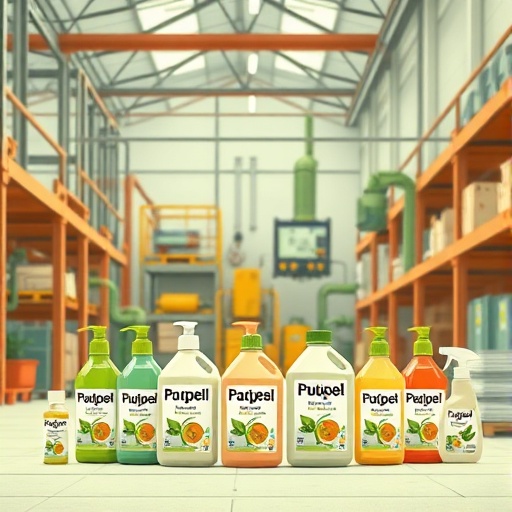
Innovations in Biodegradable Products
Innovations in biodegradable products push boundaries with bio-engineered bases like algae-derived esters, offering 99% biodegradability and superior lubricity. Nano-additives enhance film strength, reducing wear in micro-precision devices by 50%. Smart lubes with embedded sensors monitor degradation in real-time, alerting via IoT for predictive maintenance. Hybrid formulations blend vegetable oils with recycled plastics, creating versatile greases for 3D printing. Phase-change materials in hydraulic fluids adapt viscosity dynamically, boosting efficiency in variable climates. Lab-grown microbes accelerate on-site breakdown, turning spills into fertilizers. Anti-microbial agents prevent bacterial fouling in bio-lubes, extending shelf life to five years. Researchers develop CO2-capturing additives, making lubricants carbon-negative. Quantum dot tracers enable leak detection without dyes. These advancements promise lubricants that self-heal under stress, revolutionizing industrial reliability and eco-impact.
Market Growth and Consumer Demand
Market growth for biodegradable lubricants surges at 6% CAGR, driven by consumer demand for green alternatives in a $150 billion industry. Millennials prioritize sustainability, influencing B2B purchases with 70% favoring eco-brands. Government mandates, like China's bio-lube quotas, fuel expansion in Asia-Pacific. E-commerce platforms stock specialized lubes, reaching niche users like organic farmers. Premium pricing holds as quality perceptions rise, with sales doubling in Europe post-Green Deal. Certifications boost trust, capturing 25% market share in hydraulics. Supply innovations from Brazil's soy boom lower costs, broadening access. Consumer education via apps highlights benefits, spurring 40% trial rates. Global events showcase bio-products, accelerating adoption in emerging markets. Demand peaks in EVs and renewables, projecting $20 billion by 2030.
Challenges and Opportunities Ahead
Challenges in biodegradable lubricants include higher costs and performance gaps in extreme conditions, yet opportunities abound in R&D funding. Oxidative instability in vegetable bases prompts synthetic hybrids, closing parity with minerals. Supply chain vulnerabilities from crop yields invite diversified sourcing like waste oils. Regulatory harmonization across borders eases trade, opening $50 billion potentials. Education combats myths on inferior efficacy, with demos proving equivalence. Partnerships with tech firms integrate AI for formulation optimization. Scalable production via biorefineries cuts prices 30% by 2025. Climate-resilient crops ensure steady supply amid weather shifts. Workforce upskilling unlocks jobs in green chemistry. Balancing these, the sector eyes transformative growth, embedding biodegradability in industrial norms.
See Also
- The Hidden Dangers of Traditional Lubricants and the Rise of Biodegradable Alternatives
- Revolutionizing the Industry with Biodegradable Lubricants for a Greener Future
- Making the Switch to Biolubricants A Guide for Environmentally Conscious Consumers
- Why Choosing Biodegradable Lubricants Is Essential for Protecting Aquatic Life