The Essential Guide to Choosing the Right Diesel Fuel Gauge for Your Storage Needs

Understanding Diesel Fuel Gauges
What is a Diesel Fuel Gauge?
A diesel fuel gauge measures the liquid level inside a storage tank with precision. Operators rely on this tool to track remaining diesel without guesswork. The device converts liquid height into readable data on a dial or digital display. Users install the gauge directly on the tank top or side to monitor fuel tank conditions continuously. Accurate readings prevent unexpected shortages during operations that depend on steady diesel supply. Many facilities choose a diesel tank level gauge because it handles the viscosity and density of diesel fuel better than generic options. The tool fits various tank shapes, from horizontal cylinders to vertical silos, and provides direct measurements that support inventory control. Without it, managers face uncertainty about how much fuel remains available for equipment.
Modern designs incorporate sensors that detect even small changes in liquid height. This capability proves essential for sites that store large volumes of diesel over extended periods. The gauge delivers consistent information that helps teams plan refills and avoid emergency deliveries. Facilities handling gas alongside diesel often standardize on the same model for simplicity across multiple storage tank setups.
Types of Diesel Gauges Available
Mechanical diesel gauges use a float and rod system that moves with the liquid surface. These models require no power source and suit remote locations where electricity remains unavailable. Magnetic versions add a stronger seal that prevents leaks common in older float designs. Electronic diesel fuel gauges connect to probes that send signals to remote displays or building management systems. Users select these when they need real-time data across multiple tanks. Some advanced units integrate with software that logs measurements over weeks or months.
Ultrasonic options measure distance from the tank top to the liquid without direct contact. This feature reduces wear from diesel fuel exposure. Krueger Sentry produces several reliable lines that cover both mechanical and electronic needs. Operators compare these types based on tank access, required accuracy, and budget before purchase. Each style addresses different demands found in agricultural, construction, and industrial fuel tank applications.
Importance of Accurate Measurements
Precise measurements from a diesel tank level gauge eliminate costly surprises. Inaccurate readings lead to overfills that waste diesel or underfills that halt equipment. Teams depend on reliable data to schedule deliveries efficiently and maintain steady operations. Storage tank owners track usage patterns through consistent gauge information, which reveals leaks or evaporation losses early. Accurate tracking also supports regulatory compliance for facilities that report fuel volumes regularly.
Small errors compound quickly in high-volume tanks. A gauge that drifts by even a few percent creates significant discrepancies over time. Accurate diesel gauges protect against both financial loss and operational interruptions. They provide the foundation for informed decisions about when to order more diesel fuel and how to allocate resources across multiple tanks.
Factors to Consider When Choosing a Diesel Tank Level Gauge
Tank Size and Capacity
Tank size directly influences gauge selection. Large storage tanks need longer probes or stronger floats to reach the full depth. Smaller fuel tanks accept compact models that fit limited headspace. Users measure tank height and diameter before ordering to ensure proper fit. A mismatched diesel tank level gauge delivers false readings that misrepresent actual diesel levels. Capacity also affects material choice, since bigger volumes exert greater pressure on seals and connections.
Horizontal tanks require gauges calibrated for their unique shape, while vertical tanks allow simpler top-mounted units. Operators calculate total capacity in gallons or liters to match gauge range. Proper sizing prevents the need for later replacement when tanks expand. Facilities with multiple tanks standardize on models that cover both small day tanks and main storage units for consistent maintenance routines.
Compatibility with Diesel Fuel
Diesel fuel contains additives that attack certain plastics and metals over time. Gauges must use materials resistant to these chemicals. Stainless steel and specific polymers withstand prolonged exposure without degradation. Incompatible components swell or crack, allowing leaks that create safety hazards. A quality diesel tank level gauge specifies diesel compatibility in its specifications to avoid these issues.
Users verify that seals and gaskets resist both diesel and any biodiesel blends in use. Temperature swings also affect material performance, so compatible gauges maintain accuracy across seasonal changes. Selecting the right materials extends service life and keeps measurements reliable. Facilities that store gas near diesel tanks often choose gauges rated for multiple fuel types to simplify inventory.
Durability and Weather Resistance
Outdoor tanks face rain, snow, UV exposure, and temperature extremes. Durable diesel gauges feature sealed housings that block moisture and dust. UV-stabilized plastics prevent cracking on exposed dials. Stainless steel components resist corrosion from road salt or coastal air. Indoor tanks still require protection against spills and cleaning chemicals that splash during maintenance.
Weather-resistant models reduce replacement frequency and maintain accurate readings year-round. Operators inspect housing integrity during routine checks to catch early damage. Gauges rated for hazardous locations add extra protection in areas with flammable vapors. This durability directly supports continuous monitoring without unplanned downtime from failed instruments.
Installation and Maintenance of Diesel Gauges
Plumbing Considerations for Diesel Tanks
Proper plumbing ensures the diesel tank level gauge mounts securely without leaks. Installers align the gauge port with existing tank openings or drill new ones according to manufacturer templates. Thread sealants compatible with diesel prevent seepage at connections. Proper torque on fittings avoids damage to tank walls while creating a tight seal. Some installations require extension pipes to position the sensing element at the correct depth.
Venting remains critical during gauge installation. Blocked vents distort liquid levels and produce inaccurate measurements. Plumbers route vent lines away from traffic areas to avoid damage. Clear labeling of all connections helps future technicians identify the diesel tank level gauge during service. Careful plumbing work at the start prevents costly corrections later.
Regular Maintenance Tips
Monthly visual inspections catch dirt buildup on dials or digital screens. Wiping the face keeps readings visible and prevents misinterpretation. Annual calibration verifies that the gauge still matches actual liquid levels. Technicians compare gauge output against manual dipstick measurements to confirm accuracy. Replacement of worn seals happens during these checks before leaks develop.
Operators log all maintenance activities to track gauge performance over time. This record reveals patterns that indicate when replacement becomes necessary. Keeping spare parts on hand reduces response time when components fail. Regular attention to diesel gauges protects the investment and maintains reliable fuel tank monitoring.
Common Issues and Troubleshooting
Stuck floats represent one frequent problem with mechanical diesel gauges. Corrosion or debris prevents free movement and produces constant readings. Cleaning the float assembly often restores function. Electronic models sometimes lose signal due to wiring damage or probe failure. Checking connections and testing voltage isolates the fault quickly.
Condensation inside the housing fogs displays and corrodes internals. Desiccant packs or better seals solve this issue. Calibration drift appears gradually and requires professional adjustment. Documenting symptoms helps technicians diagnose problems faster. Addressing these common issues promptly keeps the diesel tank level gauge operational and prevents larger disruptions.
Maximizing Efficiency and Minimizing Downtime
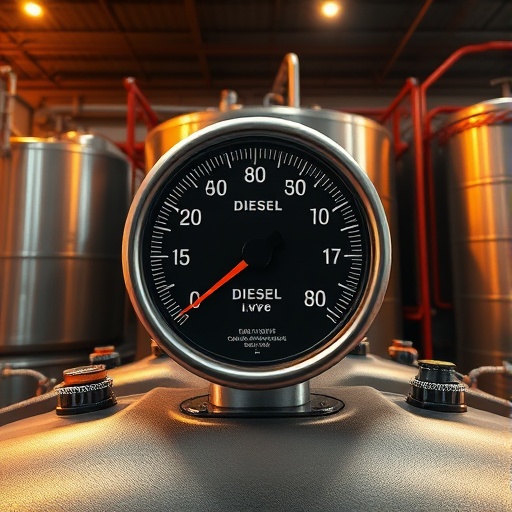
How Accurate Gauges Prevent Fuel Loss
Accurate diesel tank level gauges detect gradual losses from leaks or theft. Early identification allows crews to repair issues before significant volumes disappear. Consistent measurements also reveal evaporation rates that inform better tank management practices. Facilities reduce waste when they know exact levels instead of relying on estimates.
Preventing fuel loss protects both budgets and environmental compliance. A reliable gauge provides the data needed to spot anomalies immediately. Operators schedule maintenance based on real trends rather than assumptions. This proactive approach keeps diesel available and avoids the hidden costs of undetected leaks.
Impact of Fuel Gauge on Operational Costs
Precise fuel gauge data supports efficient ordering that avoids rush fees and emergency transport charges. Over-ordering ties up capital in excess inventory, while under-ordering creates production halts. Accurate tracking lowers overall diesel expenses by matching supply to actual consumption. Maintenance teams spend less time investigating shortages when measurements remain reliable.
Reduced downtime from better planning improves equipment utilization rates. Facilities that invest in quality diesel tank level gauges see lower total ownership costs over years of service. The initial purchase pays for itself through avoided waste and smoother operations across all storage tank assets.
Choosing the Right Model for Your Storage Needs
Matching the diesel tank level gauge to specific storage requirements ensures long-term satisfaction. Evaluate tank material, location, and monitoring needs before final selection. Sites with multiple tanks benefit from models that integrate into central systems for unified oversight. Remote locations favor mechanical units that require no external power.
Review manufacturer support and parts availability when comparing options. A well-chosen gauge delivers years of dependable service with minimal intervention. Proper selection aligns equipment capabilities with operational demands and supports efficient diesel management across every fuel tank on site.