The Future of Food Grade Lubricants in a Health-Conscious Market
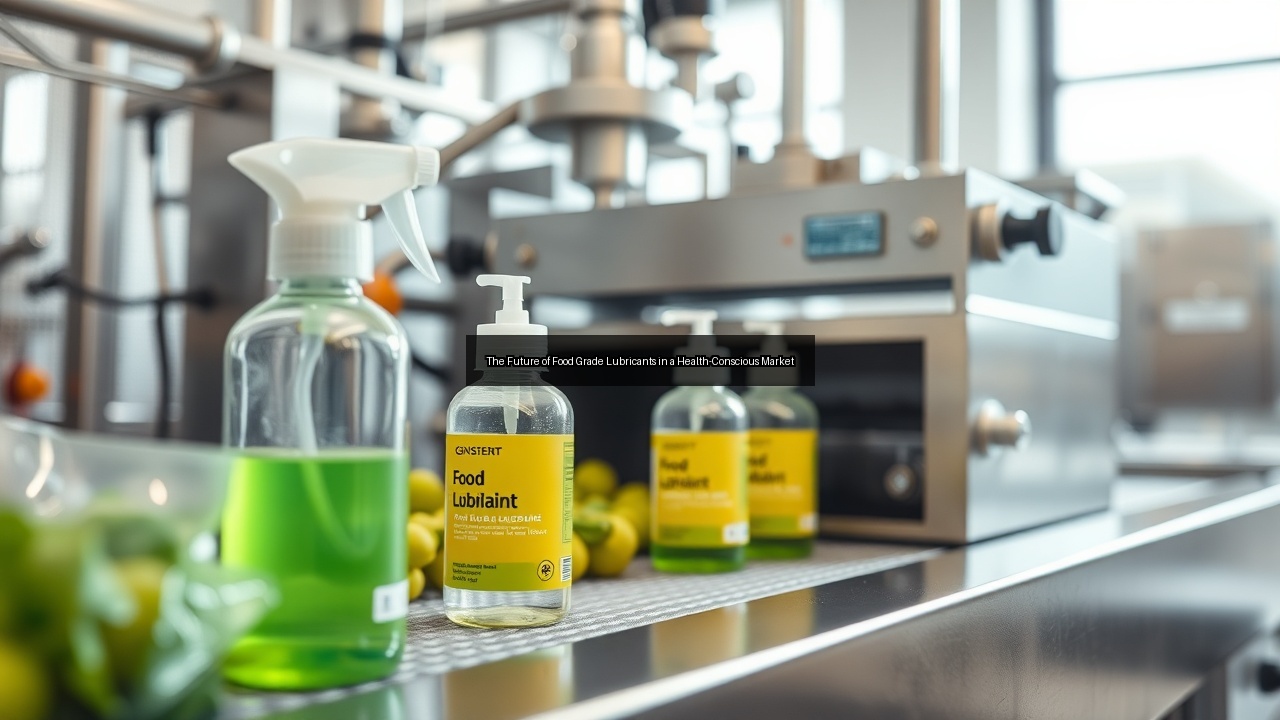
The Importance of Food Grade Lubricants in Modern Food Processing
Ensuring Food Safety and Compliance
Food grade lubricants play a critical role in ensuring food safety in processing environments. These lubricants must meet stringent regulatory standards that govern their use in food production. Compliance with safety regulations is paramount, as any contamination could lead to severe health risks for consumers. Food grade lubricants are formulated to prevent any harmful effects on food products, making them essential for manufacturers who prioritize consumer well-being.
The certification of food grade lubricants, such as those meeting NSF H1 standards, ensures that they are safe for incidental contact with food. This compliance helps food processors maintain high hygiene standards and avoid potential recalls or legal issues stemming from food safety violations. Furthermore, using approved lubricants also demonstrates a company’s commitment to quality and safety, which can enhance its reputation in a health-conscious market.
The Role of the Food Safety Modernization Act
The Food Safety Modernization Act (FSMA) significantly impacts the use of food grade lubricants in processing facilities. This legislative act emphasizes the prevention of food safety hazards rather than merely responding to them. As a result, manufacturers must take a proactive approach in choosing lubricants that comply with FSMA regulations. The act encourages food processors to evaluate all aspects of their operations, including lubricant selection, to ensure the highest safety standards.
Under FSMA, processors are required to implement risk-based preventive controls. This shift in focus necessitates the use of food grade lubricants that not only meet safety standards but also align with best practices for hygiene and sanitation. As food safety becomes increasingly scrutinized, the role of compliant food grade lubricants will only grow in significance, making it essential for manufacturers to stay informed about regulatory changes and advancements in lubricant technology.
Key Characteristics of Food Grade Lubricants
Food grade lubricants possess specific characteristics that differentiate them from standard lubricants. These include non-toxicity, biodegradability, and resistance to oxidation and thermal degradation. Food grade lubricants must also offer good lubricating properties to ensure the smooth operation of machinery and equipment in food processing environments.
Furthermore, food grade greases must remain stable under a wide range of temperatures and operational conditions. High viscosity index and excellent water resistance are also critical properties, especially in environments where water washout is a concern. Manufacturers must select lubricants that not only comply with safety regulations but also perform effectively under the rigors of food processing. These characteristics ensure operational efficiency while prioritizing safety, making food grade lubricants indispensable in the industry.
Emerging Trends in Food Grade Lubricants
Innovations in Food Grade Greases
Innovation drives the development of food grade greases, leading to enhanced performance and safety. Manufacturers are increasingly investing in research to create lubricants that not only meet regulatory standards but also improve machinery efficiency. Advanced formulations now include synthetic base oils that offer superior lubrication properties, longevity, and thermal stability. These innovations reduce the frequency of lubrication intervals, contributing to lower maintenance costs and increased productivity in food processing operations.
Additionally, the emergence of bio-based food grade lubricants has gained traction, aligning with the global movement towards sustainability. These products utilize renewable resources and minimize environmental impact while providing effective lubrication. Innovations also focus on improving resistance to wear and tear, ensuring that machinery operates smoothly even under high-stress conditions. The continuous evolution of food grade greases reflects the industry's commitment to quality and safety, making it crucial for manufacturers to stay abreast of these advancements.
Sustainability and Eco-Friendly Options
As consumers become more environmentally conscious, the demand for sustainability in food processing has surged. Food grade lubricants are no exception, with a growing market for eco-friendly options. Manufacturers are responding to this trend by developing lubricants from biodegradable materials that meet the same stringent safety standards as traditional products. These sustainable alternatives help reduce the ecological footprint while maintaining high performance in food processing applications.
Furthermore, the use of eco-friendly food grade lubricants can enhance a company's brand image. Organizations that prioritize environmental responsibility often attract customers who value sustainable practices. By incorporating these lubricants into their operations, manufacturers not only comply with regulations but also contribute positively to the environment. The movement toward sustainability in food grade lubricants will likely continue to evolve, influencing product development and market dynamics in the coming years.
The Impact of Plastic on Lubricant Choices
The prevalence of plastic in food packaging and processing presents unique challenges and opportunities in the lubricant industry. The interaction between lubricants and plastic materials can affect both the performance of lubricants and the integrity of the plastic itself. Manufacturers must choose food grade lubricants that do not degrade or adversely react with plastic components to ensure product safety and quality.
Additionally, the push for reduced plastic usage in the food industry highlights the importance of selecting lubricants that offer compatibility with alternative materials. As companies explore biodegradable packaging solutions, the demand for lubricants that align with these innovations will increase. Understanding the relationship between lubricants and packaging materials becomes essential for manufacturers aiming to maintain safety and performance in food processing environments.
Navigating the Health-Conscious Market
Consumer Awareness and Demand for Safe Products
Consumer awareness regarding food safety continues to grow, influencing purchasing decisions across the market. Individuals are increasingly informed about the ingredients and materials that come into contact with their food, including lubricants used in processing. This heightened awareness translates to a demand for transparency and safety in all aspects of food production, compelling manufacturers to prioritize the use of food grade lubricants.
The focus on safe products has created a competitive landscape where companies that invest in high-quality, compliant lubricants can differentiate themselves. Consumers often associate the use of food grade lubricants with a commitment to safety, quality, and care in food processing. Manufacturers that communicate their adherence to safety standards and the use of innovative, eco-friendly lubricants can build trust and loyalty among health-conscious consumers.
The Future of Lubricants for Food Processing
The future of lubricants for food processing hinges on innovation, safety, and sustainability. As the industry evolves, manufacturers must adapt by embracing new technologies and sustainable practices. The rising demand for health-conscious products will drive further research into advanced formulations and eco-friendly options. Companies that prioritize these elements will not only meet regulatory requirements but also cater to the preferences of an increasingly discerning consumer base.
Furthermore, collaboration between lubricant manufacturers and food processors will foster the development of tailored solutions that address specific challenges in food safety and efficiency. As the market continues to shift, the focus on food grade lubricants will become even more pronounced, ensuring that safety and quality remain at the forefront of food processing operations.
Strategies for Manufacturers in a Competitive Landscape
Navigating the competitive landscape of food grade lubricants requires strategic planning and innovation. Manufacturers must prioritize research and development to stay ahead of market trends and consumer demands. Investing in high-quality, compliant lubricants that meet the evolving standards of food safety will position companies as leaders in the industry.
Additionally, effective marketing strategies that highlight the safety and sustainability of food grade lubricants can attract health-conscious consumers. Transparency in sourcing and production processes will resonate with customers looking for trustworthy products. Manufacturers should also consider partnerships with food processing companies to develop customized lubricant solutions that enhance performance while adhering to safety regulations.
Ultimately, the future of food grade lubricants in a health-conscious market will require a commitment to innovation, quality, and consumer awareness. By focusing on these elements, manufacturers can thrive in a competitive environment while contributing to the overall safety and quality of food products worldwide.