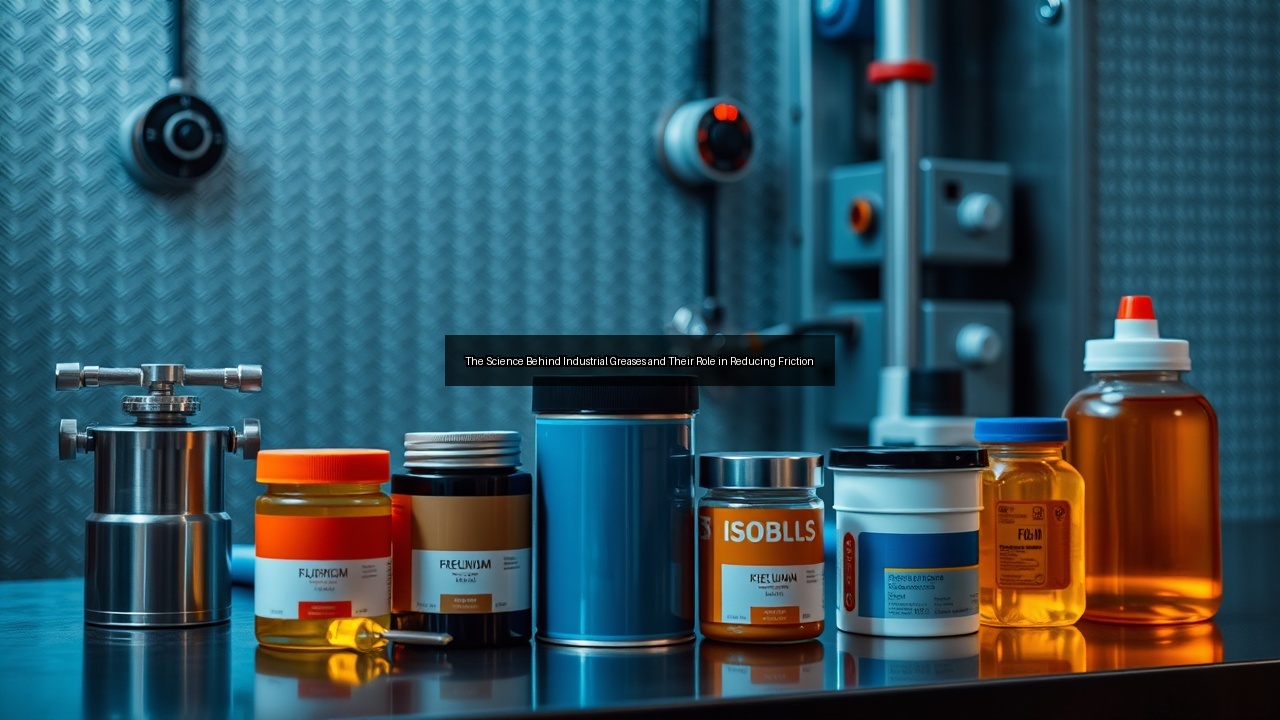
The Science Behind Industrial Greases and Their Role in Reducing Friction
Understanding Industrial Greases and Their Composition
Key Components of Industrial Greases
Industrial greases combine base oils with thickeners and additives to create a semi-solid lubricant that stays in place under heavy loads. Manufacturers blend these elements to handle extreme pressure while resisting water washout and oxidation. The base oil provides the primary film that separates moving surfaces, while thickeners like lithium or calcium soaps give the grease its structure. Additives further boost performance by preventing rust and reducing wear during operation. This formulation allows greases to outperform liquid oils in applications where constant reapplication proves impractical. Engineers select specific ratios based on machinery demands, ensuring the final product maintains consistency across temperature swings and contamination risks.
Proper composition directly influences how well greases reduce friction in bearings and gears. High-quality industrial greases incorporate antioxidants and extreme-pressure agents that extend service intervals. Users in demanding sectors rely on these balanced formulas to protect equipment without frequent downtime.
Role of Oils in Grease Formulation
Oils form the fluid backbone of every grease mixture, carrying the load and dissipating heat generated by moving parts. Mineral oils dominate many industrial applications due to their cost-effectiveness and broad temperature tolerance, while synthetic oils deliver superior stability in high-heat or low-temperature conditions. The viscosity of the chosen oil determines how quickly the lubricant flows into contact zones and maintains film strength under pressure. Gear oil grades often serve as base stocks when formulators need enhanced load-carrying capacity in heavy equipment.
Blending decisions affect overall lubrication performance. Higher-viscosity oils create thicker films that shield surfaces from metal-to-metal contact, yet they may increase drag if mismatched to the application. Formulators test oil-grease compatibility extensively to avoid separation during storage or use.
Types of Thickeners: Lithium vs. Calcium
Lithium thickeners deliver excellent mechanical stability and water resistance, making them the most common choice for general industrial greases. These soaps maintain structure across wide temperature ranges and resist breakdown under shear. Calcium thickeners, by contrast, excel in wet environments and provide strong adhesion to metal surfaces. They handle moderate temperatures well but soften more readily when heat rises.
Engineers compare these options against alternatives like fumed silica or clay for specialized needs. Lithium-based greases suit high-speed bearings, while calcium versions protect marine and outdoor equipment. Selection hinges on matching thickener properties to the operating environment and expected load cycles.
The Mechanics of Friction and Lubrication
How Friction Affects Machinery Performance
Friction generates heat and accelerates wear between contacting surfaces in rotating equipment. Uncontrolled friction raises energy consumption and shortens component life in motors, pumps, and conveyors. Industrial greases intervene by forming a protective layer that minimizes direct metal contact. This reduction in friction lowers operating temperatures and maintains consistent speeds under varying loads.
Machinery operators track friction-related losses through vibration analysis and temperature monitoring. Effective lubrication programs cut unplanned stoppages by keeping friction coefficients low. Proper grease selection prevents scoring and pitting that otherwise force early part replacements.
The Science of Lubrication: Reducing Wear and Tear
Lubrication science centers on creating a hydrodynamic or elastohydrodynamic film that separates surfaces. Greases achieve this by releasing oil gradually into the contact zone while the thickener holds reserve lubricant in place. Additives form sacrificial layers that protect against scoring during startup or shock loads. This dual action extends bearing life and preserves gear tooth profiles over thousands of operating hours.
Regular lubrication audits confirm film thickness remains adequate. Technicians replace degraded grease before wear particles accumulate and accelerate surface damage. Consistent application of the right lubricant keeps friction forces minimal across the entire duty cycle.
Temperature's Role in Grease Effectiveness
Temperature governs oil viscosity and thickener stability inside greases. Elevated heat thins the base oil, potentially reducing film strength, while extreme cold stiffens the mixture and hinders flow to critical areas. Industrial greases incorporate temperature-resistant oils and thickeners that resist melting or hardening within specified ranges. Exceeding these limits causes softening, leakage, or hardening that compromises lubrication.
Operators monitor bearing temperatures to adjust relubrication intervals accordingly. High-temperature environments demand greases formulated with synthetic bases that maintain performance when standard products fail. Matching temperature ratings to actual conditions preserves both lubricant integrity and equipment reliability.
The Applications of Industrial Greases
Use in Food and Beverage Industries
Food and beverage facilities require greases that meet strict hygiene standards while delivering reliable lubrication. NSF H1 registered products prevent incidental contact risks without sacrificing film strength on conveyors, mixers, and packaging lines. These formulations resist water and cleaning chemicals that would wash away conventional greases. Manufacturers choose them to protect bearings in washdown zones where contamination threatens product safety.
Proper application in food environments demands both performance and compliance. Plants schedule regular inspections to verify grease integrity and avoid cross-contamination. Specialized food-grade greases support continuous operation without compromising regulatory requirements.
Greases in Heavy Machinery and Equipment
Heavy machinery relies on robust greases to handle shock loads, vibration, and outdoor exposure. Mining trucks, construction equipment, and agricultural implements use lithium-complex or calcium-sulfonate greases that resist water and maintain adhesion on pins and bushings. These products reduce friction in joints that see intermittent motion and high pressure.
Maintenance teams apply grease through centralized systems that deliver precise amounts at set intervals. Correct selection prevents premature wear on expensive components and keeps machines productive in harsh environments. Industrial greases tailored for heavy duty extend service life between overhauls.
Application in Kilns and High-Temperature Environments
Kilns and high-temperature equipment demand greases formulated to resist melting and oxidation at sustained elevated temperatures. Clay or fumed silica thickeners paired with synthetic oils maintain structure where lithium soaps soften. These products protect bearings in rotary kilns, ovens, and steel processing lines that operate continuously above 200°C.
Engineers monitor grease condition through sampling to determine change-out frequency. High-temperature greases prevent carbonization and hardening that would otherwise seize components. Proper lubrication in these settings keeps production lines running without thermal-related failures.
Challenges in Industrial Grease Performance
Contamination and Its Impact on Lubrication
Contamination from dust, water, or process chemicals degrades grease performance by diluting additives and breaking down thickener structure. Ingested particles act as abrasives that increase friction and accelerate wear inside bearings. Water contamination promotes rust and emulsification that displaces the lubricant film. Industrial facilities combat these issues with seals, breathers, and scheduled grease analysis.
Early detection through oil analysis allows corrective action before damage spreads. Clean storage and handling practices further reduce ingress risks. Effective contamination control preserves the intended friction-reducing properties of industrial greases throughout their service life.
Relubrication Strategies for Optimal Performance
Relubrication restores fresh grease and displaces spent material before oxidation or contamination reaches critical levels. Automated systems deliver precise quantities at calculated intervals based on speed, load, and temperature. Manual greasing requires trained personnel who follow manufacturer guidelines to avoid over- or under-lubrication. Both approaches aim to maintain consistent film thickness and minimize friction spikes.
Facilities develop relubrication schedules using operating data and grease life predictions. Over-greasing causes overheating from churning, while under-greasing allows metal contact. Optimized strategies balance protection with minimal waste and downtime.
Evaluating Grease Lifespan and Stability
Grease lifespan depends on thermal stability, mechanical shear resistance, and resistance to oxidation. Laboratory tests measure penetration changes, dropping point, and acid number to predict remaining service life. Field monitoring tracks temperature trends and vibration signatures that signal lubricant breakdown. Stable greases retain their structure longer, delivering consistent friction reduction across extended intervals.
Engineers compare test data against application requirements to set replacement schedules. Products with superior stability reduce consumption and labor costs. Regular evaluation ensures industrial greases continue performing as designed until the next maintenance cycle.
Selecting the Right Industrial Grease
Top Brands and Their Innovations
Leading brands invest in advanced thickener technologies and additive packages that extend grease life under severe conditions. Innovations include synthetic base oils with improved thermal stability and new thickener systems that resist water better than traditional soaps. These developments help users reduce friction more effectively while lengthening relubrication intervals in demanding applications.
Procurement teams evaluate brand specifications alongside real-world performance data from similar equipment. Trusted suppliers provide technical support that matches products to specific operating parameters. Brand differentiation often centers on proven reliability in extreme environments.
Factors to Consider: Temperature, Environment, and Application
Temperature range, environmental exposure, and load characteristics dictate grease selection. High-heat applications require products with elevated dropping points, while wet or corrosive environments favor calcium or sulfonate thickeners. Speed and load influence base oil viscosity and additive packages needed to maintain film strength.
Engineers review manufacturer data sheets and conduct trials when conditions fall outside standard recommendations. Matching grease properties to the full operating profile prevents premature failure and supports efficient friction management across the equipment fleet. Proper selection delivers measurable gains in reliability and energy efficiency.
See Also
- Unlocking the Secrets of Industrial Greases for Optimal Machinery Performance
- How Temperature and Contamination Affect the Lifespan of Industrial Lubricants
- Choosing the Right Industrial Grease for Food and Beverage Applications
- Exploring Lithium and Calcium Based Greases for Heavy-Duty Industrial Use