The Unsung Hero of Grain Transport Screw Conveyors Explained
The Role of Screw Conveyors in Grain Transport
Understanding Grain Transport Needs
Grain transport remains a crucial facet of the agriculture industry, requiring highly efficient systems to move bulk products from farms to processing facilities. Given that grain can be sensitive to moisture, temperature, and physical damage, the transport method must cater to these requirements. Farmers and grain handlers prioritize systems that minimize spoilage and maximize throughput. Screw conveyors excel in this realm by providing a controlled environment for transporting grain. Their design allows for gentle handling, mitigating the risk of bruising or damaging the grain during transit. Additionally, screw conveyors can accommodate varying grain types and sizes, making them versatile in grain transport applications.
How Screw Conveyors Facilitate Efficient Movement
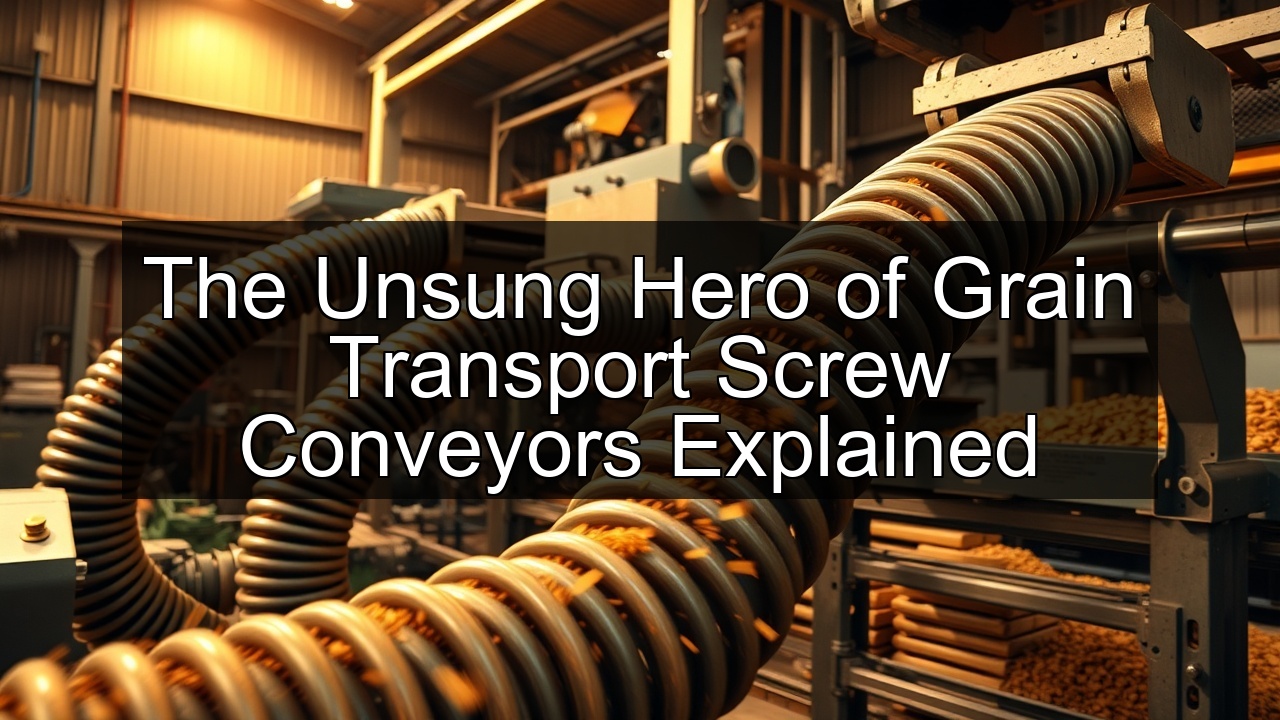
Screw conveyors utilize a rotating helical screw blade, known as an auger, to move material along a defined path. This design enables a continuous flow of grain, which significantly enhances efficiency compared to other methods such as bucket elevators or roller conveyors. The screw conveyor operates at a consistent speed, ensuring a steady supply of grain to downstream processes. Additionally, these systems can be configured to operate at various angles, allowing for flexibility in layout design. Whether transporting grain to a truck for delivery or moving it to a storage facility, screw conveyors streamline operations, reduce labor costs, and improve overall handling efficiency.
Comparing Screw Conveyors to Other Systems
When evaluating grain transport options, screw conveyors stand out against traditional systems like belt conveyors and bucket elevators. Unlike belt conveyors, which may require extensive maintenance and are susceptible to damage from heavy loads, screw conveyors offer durability and resilience. Bucket elevators can efficiently lift grain but often create spillage and require more space. Screw conveyors, offering a compact and enclosed design, minimize spillage and provide a cleaner transport solution. Additionally, they can handle diverse materials, making them ideal for applications beyond grain, such as in cement production or wastewater treatment. Each system has its merits, but screw conveyors provide a unique blend of efficiency and adaptability.
Engineering Innovations in Screw Conveyors
Advancements in Flexible Screw Conveyors
Flexible screw conveyors represent a significant advancement in the engineering of grain transport systems. These conveyors can navigate complex layouts and tight spaces, making them ideal for facilities with limited room. The flexibility of the design allows for customization based on specific operational needs, such as different angles and configurations. Manufacturers have improved materials and construction techniques, resulting in lighter but more durable systems. Flexible screw conveyors operate quietly and efficiently, making them suitable for a variety of environments, from bustling grain terminals to quiet agricultural settings. Their ability to transport materials without degradation further enhances their appeal in industries like biorefinery and agriculture.
The Impact of Screw Conveyors on Biorefinery Operations
Screw conveyors play a vital role in biorefinery operations, where the conversion of biomass into renewable energy or biofuels occurs. These systems facilitate the transport of feedstock—such as corn or other grains—into processing equipment with minimal handling. The consistent flow provided by screw conveyors ensures that the biorefinery can operate at optimal efficiency, reducing downtime and maximizing output. Their ability to handle both dry and wet materials enhances their utility in biorefinery settings. As the demand for renewable energy sources increases, screw conveyors will continue to be integral to the success of biorefineries, supporting sustainable practices in the agricultural sector.
Engineering Challenges in Wastewater Treatment
In wastewater treatment, screw conveyors face unique engineering challenges that require innovative solutions. The transport of sludge and other byproducts demands a system designed to handle viscous materials without clogging or damaging the equipment. Engineers have responded by developing specialized screw conveyors that feature enhanced screw designs and materials resistant to corrosion and wear. These innovations improve the efficiency of transporting wastewater treatment byproducts to processing areas or disposal sites. Additionally, integrating monitoring systems into screw conveyor design allows for real-time tracking of performance and condition, further enhancing the reliability of these systems in critical wastewater treatment operations.
Industry Applications and Case Studies
Screw Conveyors in Agriculture: A Deep Dive
In agriculture, screw conveyors serve as indispensable tools for grain handling, storage, and transport. Farmers rely on these systems to move grain from harvesters to silos and eventually to trucks for delivery. For instance, a case study from a large Midwestern farm highlights how the implementation of screw conveyors increased their operational efficiency by reducing grain loss during transport. The ability to transport various grain types, such as corn and soybeans, without damage has made screw conveyors a preferred choice in the agricultural sector. Furthermore, their low maintenance requirements and ease of cleaning contribute to their popularity among farmers looking to optimize their grain handling processes.
Utilizing Screw Conveyors in Cement Production
Screw conveyors also find significant application in cement production, where bulk materials need efficient movement from one process to another. In a cement plant, ingredients like limestone, clay, and gypsum require precise handling and transport to ensure the production of high-quality cement. A notable example includes a large cement corporation that integrated screw conveyor systems into their operations, resulting in a reduction of material spillage and enhanced throughput. The enclosed design of screw conveyors prevents dust emissions, aligning with environmental regulations and improving workplace safety. This application demonstrates the versatility of screw conveyors beyond the agricultural realm, highlighting their value in various industrial processes.
Success Stories from Paper Mills and Desalination Plants
In paper mills, screw conveyors effectively transport wood chips and other raw materials through various stages of production. A leading paper mill recently implemented a screw conveyor system to manage their wood chip supply, resulting in reduced labor costs and improved efficiency. This transition allowed for better inventory control and minimized downtime during production cycles. Similarly, desalination plants utilize screw conveyors to transport brine and other byproducts of the desalination process. By employing these systems, facilities can enhance their operational efficiency while adhering to environmental standards. These success stories reveal the adaptability and effectiveness of screw conveyors in diverse industrial applications.
Choosing the Right Screw Conveyor Manufacturer
Key Features to Look for in a Manufacturer
Selecting the right screw conveyor manufacturer is crucial for ensuring operational efficiency and reliability. Key features to consider include the manufacturer's experience in the industry, the range of products offered, and the quality of customer support. A reputable manufacturer will provide detailed specifications and customization options, allowing for tailored solutions to meet unique operational needs. Look for manufacturers that offer robust warranties and after-sales support, as these factors indicate confidence in their products. Additionally, consider their commitment to innovation and the use of high-quality materials, as these aspects directly impact the longevity and performance of screw conveyor systems.
Notable Companies in the Screw Conveyor Market
The screw conveyor market features several notable companies recognized for their innovative designs and reliable systems. Companies like Schutte Motion and KWS Manufacturing have established themselves as leaders, offering a wide range of screw conveyor solutions tailored to various industries, including agriculture, biorefinery, and wastewater treatment. Established corporations often invest in research and development, allowing them to stay ahead of industry trends and technological advancements. When considering a manufacturer, evaluate their reputation in the market, customer testimonials, and case studies that demonstrate their success in solving complex material handling challenges.
Insights into Screw Conveyor Systems from James Eagen Sons
James Eagen Sons stands out as a prominent manufacturer of screw conveyor systems, known for their expertise and commitment to quality. Their screw conveyor solutions cater to various industries, including agriculture, cement production, and biorefinery operations. The company emphasizes customization, offering tailored solutions that meet specific operational requirements. They also focus on engineering innovations, ensuring their systems are efficient, durable, and capable of handling diverse materials. Insights from James Eagen Sons reveal the importance of selecting a manufacturer that understands the unique challenges of each industry and can provide bespoke solutions to enhance operational efficiency.
See Also
- Screw Conveyors vs Roller Conveyors Which is Right for Your Project
- Screw Conveyor Systems A Deep Dive into the Latest Innovations
- Unleashing Efficiency in Agriculture with Innovative Screw Conveyors
- Innovative Screw Conveyors Driving Efficiency in Modern Agriculture
- Maximizing Space and Efficiency with Vertical Screw Conveyors