Understanding ISO 13485 Standards in Medical CNC Manufacturing
Introduction to ISO 13485 Standards
Overview of ISO 13485
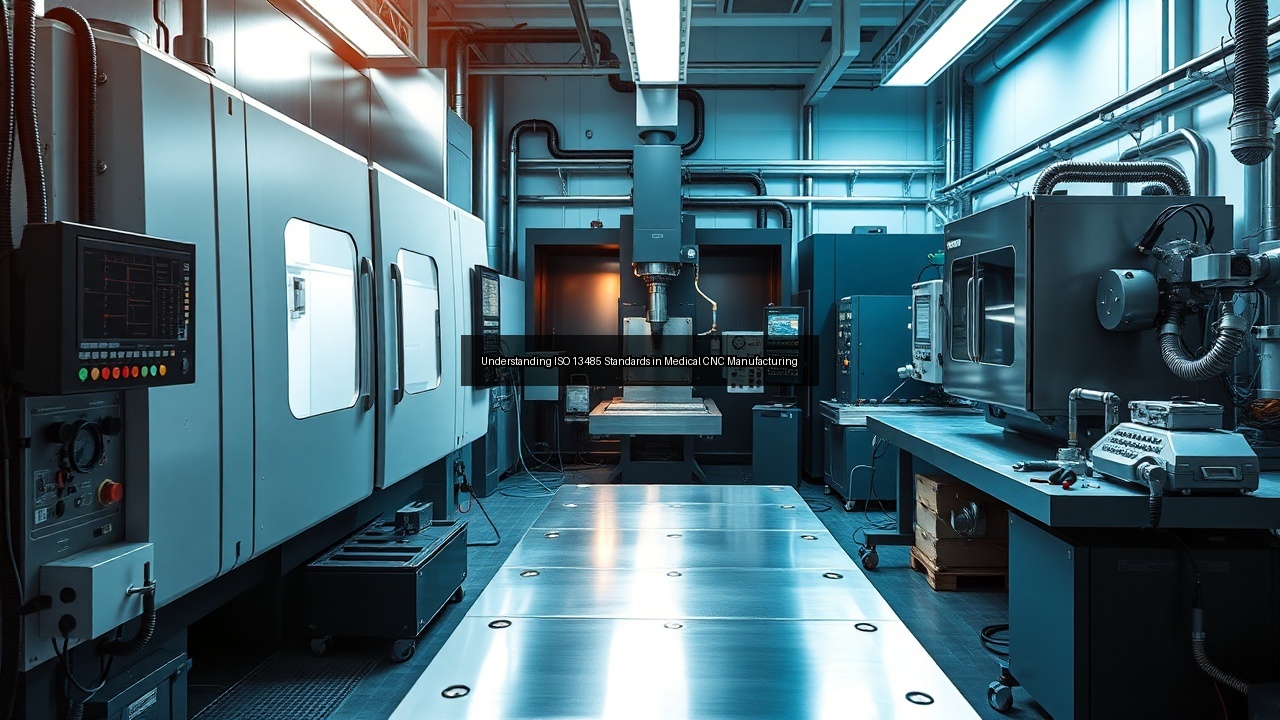
ISO 13485 sets the global benchmark for quality management systems in the design, development, production, and servicing of medical devices. Medical CNC machining professionals rely on this standard to ensure every component meets stringent safety and efficacy requirements. Established by the International Organization for Standardization, ISO 13485 builds on ISO 9001 but tailors its principles specifically to the medical industry. Companies offering CNC machining services for medical applications must implement documented procedures for risk assessment, supplier controls, and traceability throughout the manufacturing process.
In medical CNC machining, adherence to ISO 13485 means machinists and engineers prioritize contamination control, validation of processes, and continuous improvement. For instance, when producing intricate parts for medical equipment, firms use this standard to verify that CNC machining parts align with regulatory demands from bodies like the FDA. The certification process involves audits that scrutinize everything from design inputs to final sterilization, fostering trust among healthcare providers. Without ISO 13485, medical device manufacturing risks recalls or legal issues, underscoring its role as a cornerstone for reliable CNC medical machining operations.
Machinists trained in ISO 13485 protocols handle complex geometries with precision, using tools like CAD software integrated into CNC systems. This standard emphasizes employee competence, ensuring that teams in medical machining services understand how deviations could impact patient outcomes. Overall, ISO 13485 drives innovation while safeguarding public health, making it indispensable for any entity involved in CNC manufacturing for the medical sector. Businesses seeking CNC services often specify ISO 13485 compliance to guarantee high-quality outputs in medical device production.
Importance of ISO Standards in Medical Manufacturing
ISO standards like 13485 transform medical manufacturing by enforcing consistency and accountability across global supply chains. In the realm of medical CNC machining, these guidelines prevent defects that could compromise surgical tools or implants, directly affecting patient safety. Manufacturers of medical equipment integrate ISO 13485 to streamline operations, reduce waste, and accelerate time-to-market for critical devices. Regulatory harmony achieved through ISO compliance simplifies exports, allowing CNC machining for medical providers to serve international markets without extensive re-certifications.
The medical industry machining landscape demands unwavering precision, and ISO 13485 delivers by mandating robust documentation and corrective actions. For CNC medical machining firms, this means investing in calibrated machinery and skilled machinists who follow validated protocols. Such standards elevate the reputation of medical machining services, attracting partnerships with hospitals and device innovators. They also mitigate liabilities, as non-compliance can lead to costly shutdowns or lawsuits in the high-stakes medical field.
Beyond compliance, ISO 13485 encourages a culture of excellence in engineering and design phases. Companies providing CNC manufacturing solutions use it to benchmark performance, identifying areas for enhancement in tooling and processes. In radiology applications, for example, ISO-certified medical CNC ensures imaging components withstand rigorous sterilization without material degradation. Ultimately, these standards fortify the entire ecosystem of medical device manufacturing, ensuring that every CNC machined part contributes to life-saving technologies.
Key Principles of ISO 13485 in CNC Machining
Quality Management System in Medical Devices
A robust quality management system under ISO 13485 anchors medical CNC machining by integrating controls at every stage of production. Machinists and engineers establish documented policies that govern CNC machining parts from raw material selection to final inspection. This system demands regular internal audits and management reviews to maintain compliance, ensuring medical devices perform reliably in clinical settings. For CNC services in the medical sector, QMS implementation involves software for tracking non-conformities and implementing root-cause analyses.
In practice, ISO 13485's QMS requires validation of CNC processes, such as milling titanium components for implants, to confirm repeatability and precision. Medical manufacturing firms leverage this framework to train staff on handling medical-grade materials, minimizing contamination risks. The standard also stresses supplier qualification, so CNC medical providers vet partners for consistent delivery of high-purity metals. This holistic approach not only meets regulatory needs but also boosts efficiency, allowing medical machine shops to scale production without sacrificing quality.
Furthermore, QMS in ISO 13485 promotes customer focus, tailoring CNC machining for medical applications to specific client specifications. Engineering teams collaborate on design reviews, incorporating feedback to refine prototypes. In the context of medical equipment, this ensures seamless integration of machined parts into larger assemblies. By embedding QMS principles, the medical CNC industry achieves superior outcomes, fostering innovation while upholding the highest standards of safety and reliability.
Risk Management and Product Lifecycle
ISO 13485 mandates comprehensive risk management to identify and mitigate hazards throughout the product lifecycle in medical CNC machining. Engineers assess potential failures in CNC manufacturing processes, from design flaws to machining errors, using tools like FMEA to prioritize actions. This proactive stance protects patients by ensuring medical devices withstand real-world stresses, such as those in surgical environments. CNC machining services integrate risk-based thinking into daily operations, adjusting parameters to avoid issues like tool breakage during high-volume runs.
The standard covers the entire lifecycle, starting with design and extending to post-market surveillance. In medical device manufacturing, firms monitor field performance of CNC machined components, feeding data back to refine future iterations. For instance, risk assessments evaluate biocompatibility of materials like aluminum in diagnostic equipment, preventing allergic reactions. Machinists apply these principles during production, implementing controls like redundant inspections for critical features.
Collaboration across teams enhances risk management, with quality assurance specialists working alongside design engineers to embed safeguards early. ISO 13485 also requires traceability, linking each medical CNC part to its manufacturing records for swift recalls if needed. This lifecycle approach not only complies with regulations but also drives continuous improvement, positioning CNC medical machining leaders at the forefront of safe, innovative medical solutions.
CNC Machining Processes in Medical Device Manufacturing
Materials Used in Medical CNC Machining
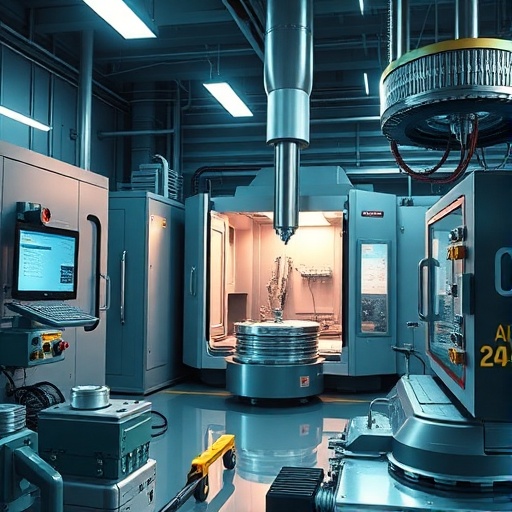
Medical CNC machining selects materials that balance durability, biocompatibility, and machinability to produce reliable medical devices. Titanium stands out for its strength and corrosion resistance, ideal for implants and surgical instruments that endure bodily fluids. Cobalt-chrome alloys offer exceptional wear resistance, making them perfect for load-bearing components in orthopedics. Nickel-titanium, known as Nitinol, provides shape-memory properties for minimally invasive devices like stents.
Aluminum serves in lighter applications, such as housings for diagnostic equipment, due to its ease of machining and thermal conductivity. Medical-grade plastics complement metals, but CNC processes excel with metals for precision parts. Machinists consider sterilization compatibility, ensuring materials like stainless steel maintain integrity post-autoclaving. In CNC manufacturing, material certification under ISO 13485 verifies purity, eliminating contaminants that could harm patients.
Engineering teams optimize material choices through simulations, predicting performance in medical equipment. For radiology tools, low-density metals reduce artifacting in scans. Sourcing from vetted suppliers ensures consistency, supporting high-volume medical machining services. These selections not only meet regulatory standards but also enhance device longevity, underscoring the critical role of materials in advancing medical CNC capabilities.
Techniques: 3D Printing, Injection Molding, and Casting
CNC machining integrates with complementary techniques like 3D printing, injection molding, and casting to fabricate complex medical devices efficiently. 3D printing enables rapid prototyping of custom implants, layering medical-grade materials for intricate designs unattainable through traditional methods. In medical CNC, this hybrid approach refines prototypes before full-scale production, accelerating development cycles for innovative medical equipment.
Injection molding produces high-volume plastic components for housings in diagnostic equipment, offering cost-effective precision for parts with fine details. CNC machining post-molding ensures tight tolerances on mating surfaces, enhancing assembly reliability. Casting, particularly investment casting for metals like cobalt-chrome, creates near-net shapes that CNC finishing refines to medical-grade standards. This combination minimizes waste and supports ISO 13485 validation by standardizing processes.
Machinists leverage these techniques in tooling design, using CNC to craft molds for injection and casting. In medical device manufacturing, 3D printing aids in patient-specific solutions, like custom artificial joints, while casting handles bulk metal production. Engineering oversight ensures seamless transitions between methods, maintaining quality in CNC services. These techniques collectively empower the medical industry machining sector, delivering versatile, high-performance solutions.
Applications of Medical CNC Machining
Manufacturing of Artificial Joints
Medical CNC machining revolutionizes artificial joint manufacturing by crafting precise components that restore mobility and alleviate pain. Engineers design hip and knee implants using CAD, then employ multi-axis CNC mills to shape titanium or cobalt-chrome from solid billets. This process achieves sub-micron accuracies essential for smooth articulation and osseointegration, ensuring long-term functionality in patients.
Machinists focus on surface finishes that promote bone growth, applying techniques like polishing to reduce friction. ISO 13485 compliance verifies each batch through rigorous testing, including fatigue simulations mimicking years of use. In orthopedic applications, CNC medical machining produces femoral heads and acetabular cups with consistent geometries, minimizing revision surgeries. Customization via CNC allows for patient-specific sizing, improving fit and outcomes.
Supply chains for artificial joints rely on certified CNC manufacturing partners who integrate 3D scanning for reverse engineering worn joints. This precision extends to tooling for assembly lines, enhancing efficiency in medical device production. As demand grows, medical CNC services innovate with hybrid materials, blending metals for superior performance. Overall, CNC machining stands as the backbone of reliable, life-changing joint replacements.
Production of Diagnostic Equipment and Medical Devices
CNC machining for medical drives the production of diagnostic equipment, fabricating housings and internal mechanisms for tools like MRI scanners and endoscopes. Precision-machined aluminum components provide structural integrity while minimizing weight, crucial for portable radiology devices. Machinists use CNC lathes to create threaded fittings that secure sensors, ensuring leak-proof seals in fluid-handling medical equipment.
In broader medical devices, CNC services produce surgical guides and biopsy needles from stainless steel, with tolerances under 0.01mm for safe tissue penetration. ISO 13485 governs these processes, mandating cleanroom environments to prevent particulate contamination. Engineering designs incorporate ergonomic features, machined directly into handles for intuitive use by clinicians.
Diagnostic equipment benefits from CNC's versatility, enabling rapid iteration of prototypes for ultrasound probes. Medical machining services scale from small batches of custom devices to mass production of standard parts. Integration with electronics demands precise mounting points, achieved through CNC drilling and milling. This application underscores CNC's pivotal role in enhancing diagnostic accuracy and patient care across healthcare settings.
Future Trends in Medical CNC Machining
Integration of AI in CNC Processes
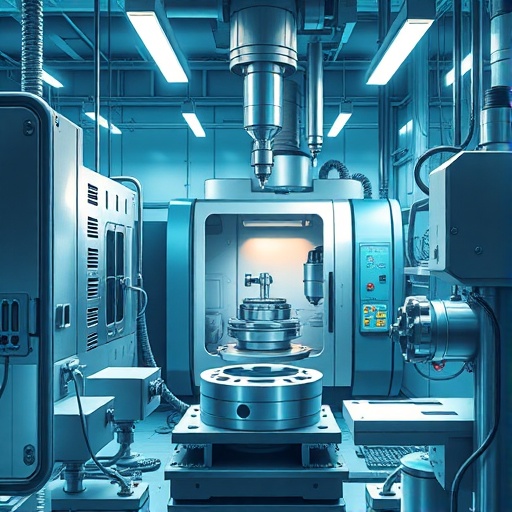
AI integration transforms medical CNC machining by optimizing tool paths and predicting maintenance needs in real-time. Machine learning algorithms analyze machining data to adjust feeds and speeds dynamically, reducing errors in producing medical devices. For CNC medical services, AI-driven simulations forecast material behaviors, enabling engineers to refine designs pre-production and cut development time.
Machinists benefit from AI-assisted quality control, where computer vision inspects parts for defects faster than manual methods. In ISO 13485-compliant workflows, AI logs every parameter for traceability, supporting audits and continuous improvement. This technology enhances precision in complex geometries, like those in diagnostic equipment internals, boosting yield rates in medical manufacturing.
Future CNC systems will incorporate AI for adaptive manufacturing, responding to sensor inputs during runs to maintain tolerances. Collaborative robots, guided by AI, handle loading and unloading, freeing human oversight for high-value tasks. In the medical industry machining arena, AI promises personalized production, such as on-demand custom implants. These advancements position AI as a game-changer, elevating efficiency and innovation in medical CNC operations.
Advancements in Materials: Cobalt-Chrome, Titanium, and Nickel-Titanium
Advancements in materials like cobalt-chrome, titanium, and nickel-titanium propel medical CNC machining toward stronger, more biocompatible devices. Enhanced cobalt-chrome formulations offer improved fatigue resistance for high-stress implants, machined with finer surface textures to accelerate healing. Titanium alloys evolve with nanostructured surfaces, promoting better cellular adhesion in orthopedic applications.
Nickel-titanium innovations focus on superelasticity, allowing CNC-machined stents to expand reliably in vascular procedures. These materials demand advanced CNC tooling, with diamond-coated cutters handling hardness without compromising edges. In medical device manufacturing, engineers test new variants under ISO 13485 protocols, ensuring regulatory approval for clinical use.
Hybrid composites blending these metals with polymers expand possibilities, machined via CNC for lightweight diagnostic equipment. Sustainability drives recycled titanium sourcing, maintaining medical-grade purity through rigorous processing. As research advances, CNC services will exploit these materials for minimally invasive tools, reducing recovery times. This material evolution fuels the next era of precise, patient-centric medical machining.