Understanding the Role of Thermowells in RTD Thermocouple Assemblies

Introduction to RTD Thermocouple Assemblies
Overview of Temperature Measurement Technologies
Temperature measurement technologies form the backbone of countless industrial processes, and RTD thermocouple assemblies stand out for their precision and reliability. Resistance temperature detectors, or RTDs, operate on the principle that electrical resistance in certain metals changes predictably with temperature variations. Engineers favor these sensors for applications demanding high accuracy, such as in chemical processing plants where even slight deviations can compromise safety. Thermocouples, on the other hand, generate voltage based on the temperature difference between two dissimilar metal junctions, making them versatile for extreme conditions. RTD probes and thermocouple probes integrate seamlessly into sensor assemblies, often paired with transmitters to convert signals into readable data. These temperature sensors excel in monitoring everything from ambient air to high-pressure fluids. In North America, industries rely heavily on such assemblies for consistent performance. RTD sensors provide linear responses over a wide range, while thermocouple sensors handle broader temperature spans, from cryogenic levels to over 2000°F. Understanding these technologies helps professionals select the right temperature gauge or thermometer for specific needs, ensuring robust measurement outcomes. Tube-style designs in thermocouple assemblies protect internal elements from corrosive environments, enhancing longevity. Transmitters play a crucial role by amplifying weak signals, allowing real-time monitoring via digital interfaces. As industries evolve, hybrid RTD thermocouple assemblies combine the strengths of both, offering comprehensive solutions for complex temperature measurement challenges.
Importance of Accurate Temperature Measurement
Accurate temperature measurement drives efficiency and safety across sectors, preventing costly downtime and hazards in RTD thermocouple assemblies. Precise readings from RTD sensors and thermocouples safeguard equipment integrity, especially under high pressure where thermal expansion can lead to failures. In manufacturing, a mere 1°C error in temperature gauge outputs might ruin batches of pharmaceuticals or distort alloy compositions. Thermowells encase these sensors, shielding them from harsh media while maintaining measurement fidelity. Calibration ensures transmitters relay unerring data to control systems, vital for processes like food preservation where temperatures must stay within tight tolerances. North American regulations, such as those from OSHA, mandate reliable temperature sensors to mitigate risks in volatile settings. RTD assemblies shine in stable environments, offering resolutions down to 0.1°C, whereas thermocouples endure rapid fluctuations in oil refineries. Sensor assemblies integrate thermometers and probes for holistic monitoring, reducing human error. Without accuracy, pressure imbalances could trigger explosions or inefficiencies, underscoring the need for robust RTD measurement techniques. Professionals prioritize these technologies to optimize energy use, comply with standards, and extend asset life. In essence, investing in quality RTD thermocouple assemblies translates to tangible gains in productivity and reliability, making accurate temperature measurement non-negotiable.
Understanding Thermowells and Their Function
What Are Thermowells?
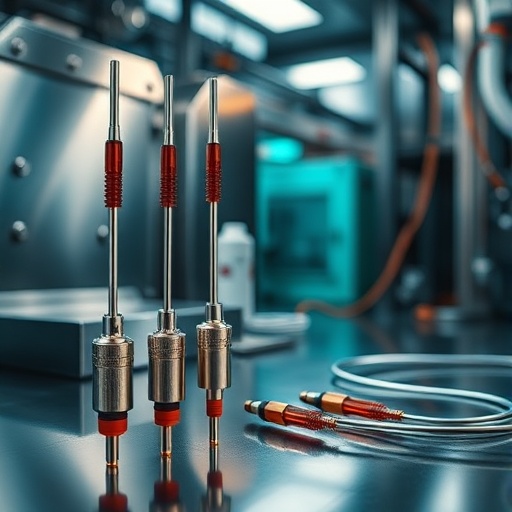
Thermowells serve as protective barriers in temperature sensing systems, designed to house sensors without compromising measurement accuracy. These tubular structures, often made from durable metals, insert into process lines to shield RTD probes or thermocouple elements from corrosive fluids, high velocities, or mechanical stresses. In RTD thermocouple assemblies, thermowells prevent direct contact between the sensor and the medium, extending service life while allowing heat transfer through their walls. Engineers specify thermowells based on process pressure and temperature ratings, ensuring they withstand up to 5000 psi in demanding applications. Common designs include threaded, flanged, or weld-in types, each suited to different pipe sizes and installation needs. Thermowells function like a temperature gauge's outer shell, isolating internal components from abrasion or chemical attack. In oil and gas operations, they protect against erosive slurries, maintaining the integrity of thermocouple sensors. Stainless steel variants resist oxidation, while exotic alloys handle extreme conditions. By decoupling the sensor from the process, thermowells enable easy replacement without system shutdowns, a boon for continuous operations. Calibration remains unaffected as long as the well's thermal conductivity matches the application's requirements. Overall, thermowells enhance the robustness of sensor assemblies, making them indispensable for reliable temperature measurement in industrial settings.
Role of Thermowells in RTD Thermocouple Assemblies
Thermowells play a pivotal role in RTD thermocouple assemblies by safeguarding sensors while preserving measurement precision. These protective tubes encase RTD sensors and thermocouples, exposing only the well's tip to the process fluid for accurate temperature transfer via conduction. In high-pressure environments, thermowells prevent sensor damage from vibrations or impacts, crucial for RTD probes in turbulent flows. They integrate seamlessly with transmitters, which interpret signals from the protected elements, ensuring data integrity in control loops. For thermocouple assemblies, thermowells mitigate junction contamination, stabilizing voltage outputs for consistent readings. RTD measurement benefits from this isolation, as thermowells minimize response time lags in moderate-velocity streams. In North American manufacturing, these components comply with ASME standards, balancing strength and thermal responsiveness. Sensor assemblies equipped with thermowells handle corrosive media like acids or oils without degrading, prolonging calibration intervals. Engineers calculate immersion lengths to optimize heat path efficiency, avoiding errors from ambient influences. Without thermowells, direct immersion risks frequent replacements and safety issues, but with them, RTD thermocouple assemblies achieve enhanced durability and uptime. This synergy supports diverse applications, from laboratory thermometers to heavy-duty industrial gauges, underscoring thermowells' essential contribution to reliable temperature sensors.
Materials Used in Thermowell Construction
Materials in thermowell construction determine their performance in harsh conditions, tailored to specific pressure, temperature, and chemical exposures in RTD thermocouple assemblies. Stainless steels, like 316L, dominate due to corrosion resistance and affordability, ideal for general-purpose temperature measurement in water or mild gases. For aggressive environments, such as sulfuric acid processing, Hastelloy or Inconel alloys provide superior protection against pitting and stress corrosion. Carbon steel suits low-cost, non-corrosive applications but requires coatings for longevity. Thermal conductivity influences material choice; copper offers excellent heat transfer but limited strength, often reserved for low-pressure setups. In oil industries, Monel withstands saline exposures, ensuring thermocouple sensors endure without erosion. Engineers consider galvanic compatibility to prevent reactions with process fluids or adjacent piping. Exotic materials like tantalum handle extreme corrosives at high temperatures, though at a premium cost. Fabrication methods, including machining from bar stock or welding seamless tubes, affect pressure ratings up to 10,000 psi. North American suppliers emphasize traceability for compliance with API standards. Selecting the right material optimizes RTD assemblies' response times and calibration stability, preventing failures that could skew transmitter outputs. Ultimately, thoughtful material selection fortifies thermowells, enhancing the overall efficacy of temperature sensors in demanding operations.
RTD Sensors and Thermocouples: A Comparative Analysis
Types of RTDs and Thermocouples
RTD sensors and thermocouples come in various types, each optimized for distinct temperature ranges and accuracies in RTD thermocouple assemblies. Platinum RTDs, such as Pt100 and Pt1000, deliver exceptional precision with resistance changes of 0.385 ohms per °C, perfect for pharmaceutical calibrations where tolerances reach 0.01°C. Nickel RTDs offer cost-effective alternatives for mid-range applications up to 500°C. Thermocouple types span from Type K (chromel-alumel) for general use up to 1260°C, to Type T (copper-constantan) for low-temperature cryogenics down to -200°C. Type J suits oxidizing atmospheres in furnaces, while Type N resists sulfidation in high-temperature oils. RTD probes typically feature wire-wound or thin-film constructions; wire-wound provides stability but slower response, thin-film excels in compact sensor assemblies. Thermocouple probes use exposed or sheathed junctions, with mineral-insulated cables for ruggedness in pressure vessels. Hybrid RTD thermocouple assemblies leverage both for multi-zone monitoring. In North America, ASTM standards guide type selections, ensuring compatibility with transmitters for seamless integration. Copper RTDs handle HVAC needs affordably, contrasting thermocouples' broader spans. Understanding these variations aids in choosing probes that balance sensitivity, durability, and cost for precise temperature measurement across industries.
Calibration Methods for RTD and Thermocouple Assemblies
Calibration methods for RTD and thermocouple assemblies ensure unwavering accuracy in temperature measurement, employing standardized techniques to verify sensor outputs against known references. Fixed-point calibration uses ice baths at 0°C or boiling water at 100°C for thermocouples, establishing baseline voltages per type-specific tables. RTD calibration follows resistance checks at multiple points, like 0°C, 100°C, and 500°C, using precision bridges or automated baths for Pt100 compliance. Comparison methods pit sensors against master thermometers in stirred oil baths, ideal for high-precision RTD probes. Transmitters require in-situ calibration to account for installation effects, adjusting signals via HART protocols. Thermocouple assemblies benefit from cold-junction compensation, often integrated into digital transmitters for ambient corrections. North American labs adhere to NIST traceability, certifying assemblies for ISO 17025 standards. Dry-block calibrators simulate temperatures without fluids, suiting field use on sensor assemblies. For pressure-exposed setups, hydrostatic calibrations test thermowell integrity alongside sensor response. Regular intervals, typically annual, prevent drift from aging or contamination. Advanced software logs deviations, enabling predictive maintenance. These methods fortify RTD measurement reliability, minimizing errors in critical applications like oil refining, where uncalibrated gauges could lead to operational failures.
Choosing the Right Sensor for Your Application
Choosing the right sensor for your application hinges on matching RTD or thermocouple characteristics to operational demands in RTD thermocouple assemblies. Evaluate temperature range first: RTD sensors suit -200°C to 600°C with superior linearity, while thermocouples extend to 2300°C for extreme heat. Consider accuracy needs; RTDs offer ±0.1°C precision versus thermocouples' ±1-2°C, critical for labs but overkill in rough industrial settings. Response time matters—exposed thermocouples react in milliseconds, ideal for dynamic processes, whereas sheathed RTD probes lag but endure abuse. Environmental factors like pressure, vibration, and corrosives dictate thermowell use and material. In oil and gas, Type K thermocouples with Inconel sheaths pair with pressure-rated transmitters. Budget influences choices; nickel RTDs cut costs without sacrificing much accuracy. Integration with control systems favors sensors compatible with 4-20 mA transmitters for analog reliability. North American users prioritize CSA-certified assemblies for safety. Probe length and diameter affect immersion depth, ensuring representative measurements. Consult application specs to avoid mismatches, like using fragile glass thermometers in harsh flows. Ultimately, informed selection optimizes temperature sensors' performance, boosting process control and longevity in diverse scenarios.
Applications of RTD Thermocouple Assemblies
Industrial Applications in North America
Industrial applications in North America leverage RTD thermocouple assemblies for precision monitoring in manufacturing and processing sectors. Automotive plants use Pt100 RTD sensors in paint ovens to maintain uniform temperatures, preventing defects and ensuring quality compliance. In food processing, thermocouple probes track pasteurization cycles, integrating with transmitters for real-time data logging to meet FDA standards. Chemical facilities employ thermowell-protected assemblies to measure reactive mixtures under pressure, safeguarding against leaks or reactions. Power generation relies on Type K thermocouples in boiler stacks for emissions control, while RTD measurement in turbine oils detects overheating early. North American industries, from aerospace to textiles, favor these assemblies for their adaptability to varying scales. Sensor assemblies with digital transmitters enable predictive analytics, reducing unplanned shutdowns. In semiconductor fabs, ultra-precise RTDs calibrate cleanroom environments, supporting yields. Oil refineries integrate hybrid systems for multi-point surveillance. Thermometers and gauges in these setups withstand vibrations and dust, per UL listings. Economic drivers push adoption of efficient temperature sensors, cutting energy costs. Overall, RTD thermocouple assemblies underpin North America's industrial prowess, delivering reliable data for optimized operations and innovation.
Use in Oil and Gas Industry
The oil and gas industry deploys RTD thermocouple assemblies extensively to monitor critical processes amid extreme conditions. Upstream operations use thermowell-encased RTD probes in wellheads to track formation temperatures, aiding reservoir modeling and extraction efficiency. Downstream refineries rely on Type J thermocouples for catalytic crackers, enduring 800°C heat and corrosive hydrocarbons. Transmitters convert sensor signals for SCADA integration, enabling remote oversight of pressure vessels. In pipelines, sensor assemblies detect hot spots from friction or leaks, preventing ruptures. Offshore platforms favor rugged thermocouple sensors with explosion-proof housings, compliant with API standards in North America. RTD measurement in custody transfer points ensures accurate billing by verifying fluid temperatures. Thermowells made from duplex stainless resist sour gas attacks, protecting internal elements. Calibration occurs on-site with portable dry blocks to maintain traceability. Hybrid assemblies combine RTDs for precision and thermocouples for range, ideal for LNG facilities. These technologies optimize yields, comply with EPA emissions rules, and enhance safety by alerting to anomalies. In fracking, real-time temperature gauges guide fluid injections. Ultimately, RTD thermocouple assemblies fortify the oil and gas sector's resilience, supporting sustainable practices and operational excellence.
Temperature Measurement in HVAC Systems
Temperature measurement in HVAC systems utilizes RTD thermocouple assemblies to regulate comfort and efficiency in buildings across North America. Duct-mounted RTD sensors monitor air streams, providing feedback to controllers for precise zone conditioning. Thermocouple probes in chillers detect refrigerant temperatures, optimizing compressor cycles to slash energy use. Transmitters interface with BMS, relaying data for automated adjustments. In commercial spaces, averaging RTD assemblies across multiple points ensure uniform distribution, preventing hot/cold spots. Thermowells protect sensors from dust-laden air, maintaining calibration over years. Type T thermocouples suit low-temperature applications like dehumidifiers, handling -75°C to 175°C spans. Sensor assemblies integrate with variable air volume boxes for demand-based ventilation. North American codes, such as ASHRAE 90.1, mandate accurate gauges for energy certification. RTD probes offer stable readings in fluctuating loads, superior to bimetallic thermometers. In data centers, high-density thermocouple sensors track server rack heat, averting failures. Wireless transmitters enable retrofits without wiring hassles. These systems reduce operational costs by 20-30% through fine-tuned control. Maintenance involves periodic checks to counter drift from contaminants. In summary, RTD thermocouple assemblies elevate HVAC performance, promoting sustainability and occupant well-being.
Conclusion and Best Practices
Maintaining Accuracy in Temperature Measurement
Maintaining accuracy in temperature measurement demands rigorous protocols for RTD thermocouple assemblies, starting with proper installation to avoid stress-induced errors. Secure thermowells firmly to minimize vibrations, which can skew RTD sensor outputs by up to 2°C. Regular calibration schedules, aligned with usage intensity, use certified labs for NIST-traceable verification. Clean probes periodically to remove buildup, especially in oily environments, preserving thermocouple junction integrity. Select transmitters with built-in diagnostics to flag signal drifts early. In high-pressure applications, inspect for leaks that could alter immersion depths. North American best practices include documenting baselines and trending data for predictive adjustments. Avoid overloading sensors beyond rated ranges, as this accelerates degradation. For sensor assemblies, standardize mounting orientations to ensure consistent heat paths. Integrate redundancy in critical setups, like dual RTD probes, for failover reliability. Train personnel on handling to prevent mechanical damage during maintenance. Environmental controls, such as shielding from EMI, stabilize readings. These steps not only sustain precision but also extend equipment life, reducing total ownership costs. By prioritizing accuracy, industries harness the full potential of temperature sensors, fostering safer and more efficient operations.
Future Trends in RTD and Thermocouple Technology
Future trends in RTD and thermocouple technology promise smarter, more resilient solutions for RTD thermocouple assemblies. Wireless integration surges, with IoT-enabled sensors transmitting data via Bluetooth or LoRaWAN, eliminating cabling in remote oil fields. Nanotechnology enhances RTD probes, shrinking sizes while boosting sensitivity to 0.01°C resolutions for biomedical uses. Advanced materials like graphene coatings on thermowells resist higher pressures and corrosives, extending lifespans in North American shale operations. AI-driven calibration predicts drifts using machine learning on historical data, minimizing manual interventions. Hybrid fiber-optic thermocouples emerge for electromagnetic-heavy environments, like EV battery testing. 3D-printed custom sensor assemblies speed prototyping and reduce costs. Sustainability drives low-power transmitters with solar compatibility for off-grid monitoring. In HVAC, self-healing thermocouples repair minor damages autonomously. Quantum dots in RTDs offer unprecedented accuracy over ultra-wide ranges. North American R&D, funded by DOE grants, focuses on cybersecurity for connected temperature gauges. These innovations will transform measurement paradigms, enabling real-time analytics and adaptive controls. As adoption grows, RTD thermocouple assemblies will underpin Industry 4.0, delivering unprecedented efficiency and insight across sectors.
See Also
- Innovative Trends in North America’s RTD Thermocouple Technology
- RTD Assemblies vs Thermocouples Which is Best for Your Needs
- Exploring the Benefits of Integrated Transmitters in Temperature Measurement Systems
- Enhancing Oil Temperature Monitoring with Reliable RTD Assemblies
- The Future of Temperature Measurement with Advanced RTD Sensor Technology