What You Need to Know About API Flanges and Pressure Ratings
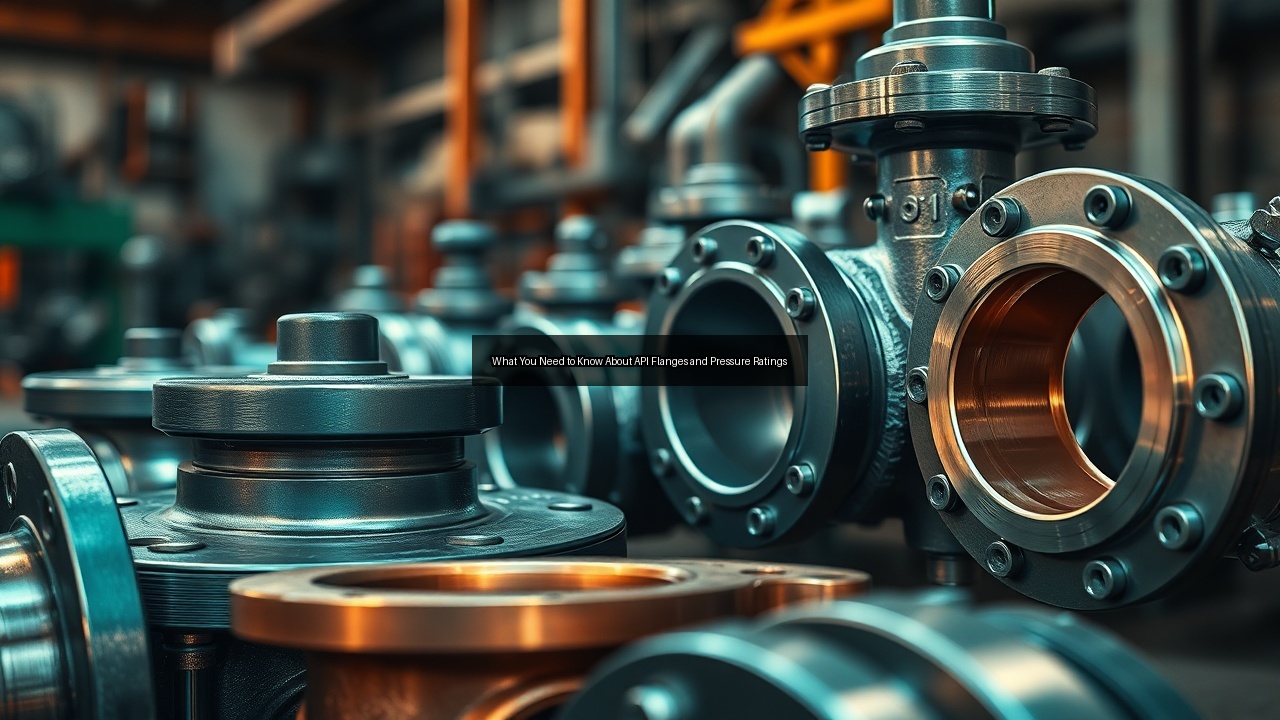
Understanding API Flanges and Their Importance
Overview of API Flanges
API flanges, developed by the American Petroleum Institute, play a crucial role in the oil and gas industry. These flanges provide a robust method for connecting pipes and fittings, ensuring tight sealing and structural integrity. The design of API flanges caters to high-pressure applications, making them ideal for various environments where safety and reliability are paramount. Unlike standard flanges, API flanges adhere to specific industry standards that dictate their dimensions, pressure ratings, and material specifications. This adherence to established standards enhances compatibility across different systems and equipment, allowing for seamless integration within complex piping networks.
Key Applications of API Flanges
API flanges find extensive use in a variety of applications, notably in oil and gas extraction, refining, and transportation. They are essential in connecting pipes that transport crude oil, natural gas, and refined products. The durability and reliability of API flanges make them suitable for high-stress environments, such as offshore drilling platforms and refineries. Additionally, these flanges are used in petrochemical plants, power generation facilities, and water treatment plants. Their ability to withstand extreme temperatures and pressures ensures that they maintain their integrity under varying operational conditions, making them indispensable in sectors that require dependable pipe fittings.
Comparison with Other Flange Types
When comparing API flanges to other flange types, several differences emerge. For instance, ANSI/ASME flanges are commonly used in general industrial applications but do not always meet the specific requirements of the oil and gas sector. API flanges often feature a thicker design and higher pressure ratings, making them more suited for demanding environments. Additionally, while standard flanges may utilize various sealing mechanisms, API flanges are engineered to provide optimal sealing under high pressures, reducing the risk of leaks. Understanding these differences is crucial for engineers and project managers when selecting the appropriate flanges for their applications, ensuring they meet both performance and safety standards.
Pressure Ratings and Standards for API Flanges
Understanding Pressure Ratings
Pressure ratings play a pivotal role in the selection of API flanges, determining their suitability for specific applications. These ratings indicate the maximum pressure that a flange can safely withstand without risking failure. Pressure ratings are categorized into classes, such as 150, 300, 600, and higher, each corresponding to specific pressure thresholds. Choosing the right pressure rating ensures that the piping system operates safely under expected conditions. Engineers must consider factors like temperature, fluid type, and environmental conditions when determining the appropriate pressure rating for API flanges. Employing flanges with inadequate pressure ratings can lead to catastrophic failures, leaks, and safety hazards, underscoring the importance of careful selection in flange applications.
API Standards for Flanges
The American Petroleum Institute has established a set of standards that govern the design, manufacturing, and testing of API flanges. These standards ensure consistency and reliability across flanges used in the oil and gas industry. API 6A and API 607 are two primary standards that address the requirements for flanges and their performance in various applications. API 6A focuses on wellhead and Christmas tree equipment, while API 607 outlines fire test standards for valves and fittings, including flanges. Compliance with these standards guarantees that the flanges can withstand extreme conditions, thus enhancing safety and performance in demanding environments. Manufacturers and engineers must familiarize themselves with these API standards to ensure the flanges they use are up to industry specifications.
American Society of Mechanical Engineers (ASME) Guidelines
The American Society of Mechanical Engineers (ASME) plays a significant role in the standards that govern flange design and application. ASME standards, particularly those outlined in the B16 series, provide essential guidelines on dimensions, tolerances, and pressure-temperature ratings for flanges. ASME B16.5 and B16.47 cover various types of flanged connections, detailing the requirements for materials and design. While API standards focus more on the oil and gas sector, ASME standards offer a broader perspective applicable across multiple industries. Understanding both API and ASME guidelines equips engineers with the knowledge to select the right flanges for their specific applications, ensuring compliance and safety in piping systems.
Design and Dimensions of API Flanges
API Flange Dimensions Explained
API flanges exhibit specific dimensions that align with industry standards, ensuring compatibility and performance. These dimensions include diameter, thickness, and bolt circle diameter, which are critical for achieving a secure connection between pipes. The API specifies dimensions for various flange types, including weld neck, blind, and slip-on flanges, catering to different piping needs. Accurate measurement is vital; any deviation can compromise the integrity of the piping system. Engineers must refer to API 6A and other relevant standards to ensure that the selected flanges meet the required dimensions for their applications. Proper dimensional control not only facilitates easier installation but also enhances the overall performance and safety of the entire piping system.
Flanged Joint Design Considerations
When designing flanged joints, several considerations come into play. The type of gasket used is crucial as it influences the sealing capability of the joint. Gasket materials must be compatible with the fluids being transported and able to withstand the operational pressures and temperatures. Additionally, the choice of bolts and the torque applied during installation are vital for achieving a secure connection. Engineers must consider the alignment of the flanges to prevent stress concentrations that could lead to failure. The design must also account for thermal expansion and contraction, which can affect the integrity of the joint over time. By carefully considering these factors, engineers can enhance the reliability and safety of flanged joints in various applications.
Selecting the Right Flange Gaskets
Selecting the right flange gaskets is a critical step in ensuring the integrity of API flanges. Gaskets serve as the seal between flanges, preventing leaks and maintaining pressure within the piping system. Various materials are available for gaskets, including rubber, PTFE, and metal composites, each with different properties suited for specific applications. For instance, PTFE gaskets offer excellent chemical resistance, making them ideal for corrosive environments. The thickness and design of the gasket also play a role in its performance; thicker gaskets can accommodate slight misalignments but may require more compressive force. Engineers must evaluate factors such as temperature, pressure, and fluid compatibility when selecting gaskets, ensuring they provide optimal sealing and reliability in conjunction with the API flanges.